Thinking about firearm ownership can bring up an important question: where should you begin? For Connecticut residents researching how to get a license for a gun, safety education is a practical starting point. At Vantage Point Firearms & Training Center in Salem, students can explore instructor-led training before approaching the state’s permit process. October offers an opportunity to compare classes, understand their purpose, and develop safer habits without confusing a training certificate with legal authorization.
Begin With Safety, Not Paperwork Alone
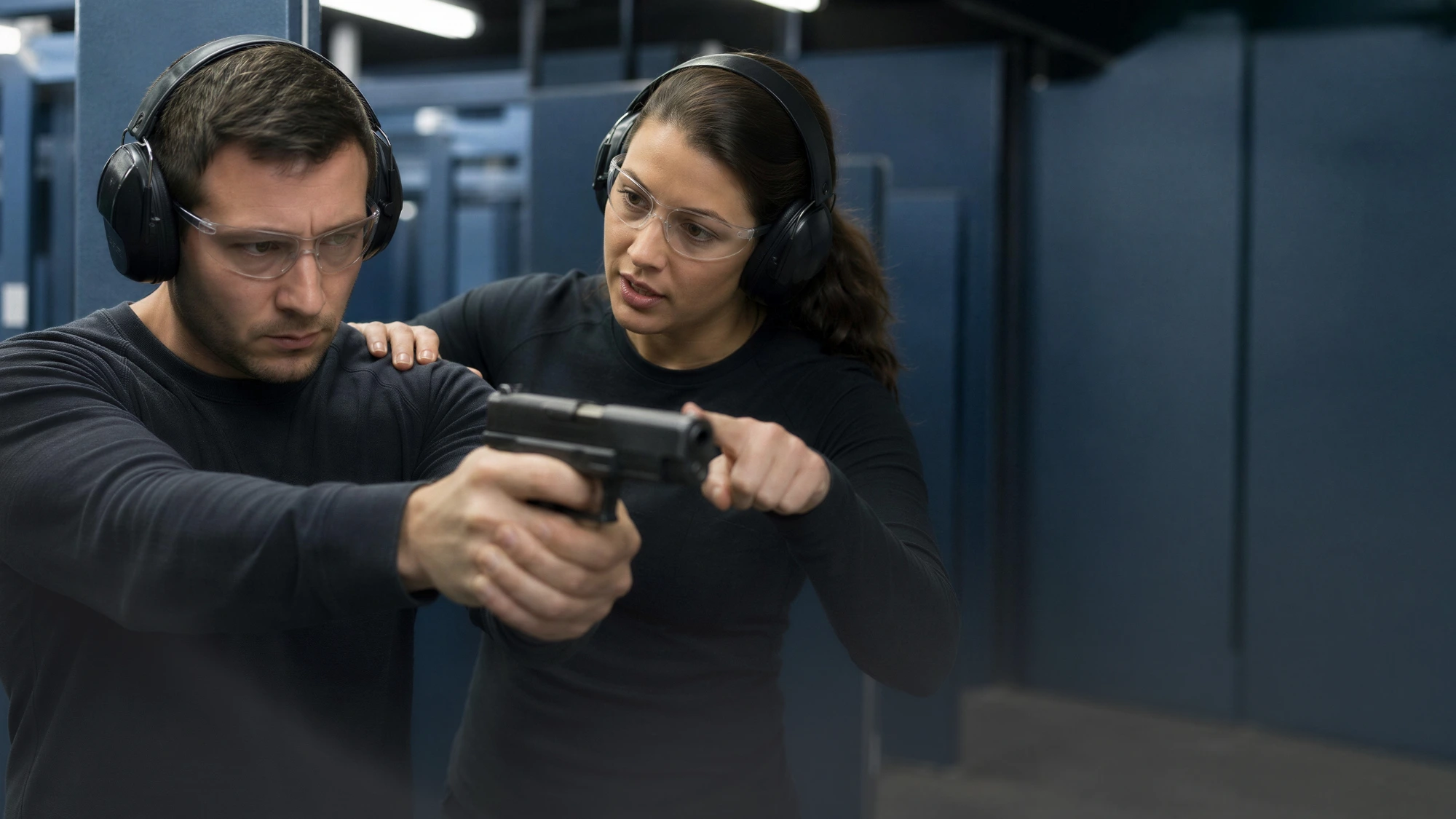
A permit application asks whether you meet legal requirements. Training addresses a different responsibility: understanding safe handling, storage, and the risks of mistakes. Vantage Point’s gun safety overview describes supervised instruction for people with varying experience levels.
When evaluating a course, look for clear teaching on:
- Keeping firearms secured against unauthorized access
- Recognizing and following range safety instructions
- Handling unfamiliar equipment only under qualified supervision
- Understanding when to stop and ask for help
Effective instruction should also make room for questions. Feeling comfortable enough to admit uncertainty matters more than pretending to know every answer.
For households with children or visitors, storage questions are particularly relevant. Ask how the course treats preventing unauthorized access and separating everyday curiosity from responsible supervision. These conversations can be as important as the skills demonstrated during a class.
Know Which Course Meets Connecticut Requirements
Connecticut’s pistol permit process requires qualifying handgun safety education, including live-fire instruction. An introductory lesson or general awareness seminar may be valuable without satisfying the permit requirement. Before paying, ask whether the specific course meets the state’s current criteria and what completion documentation you will receive.
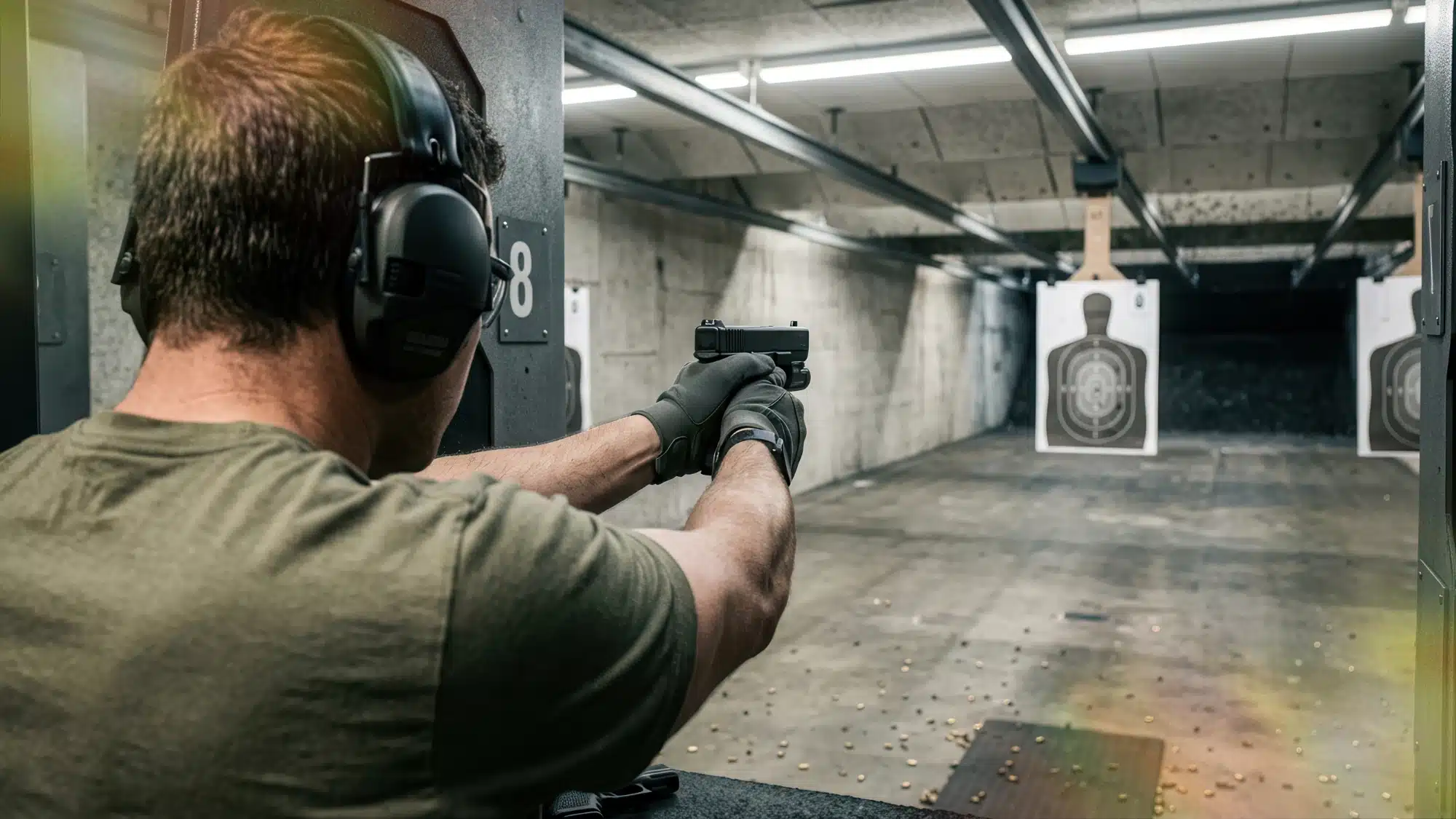
Vantage Point publishes Connecticut pistol permit classes that describe safety rules, safe storage, handgun familiarization, and supervised live fire. Its class calendar lists October sessions, including October 24 and 31, 2026; confirm availability and any prerequisites directly before making plans.
Prepare for Learning Without Making Assumptions
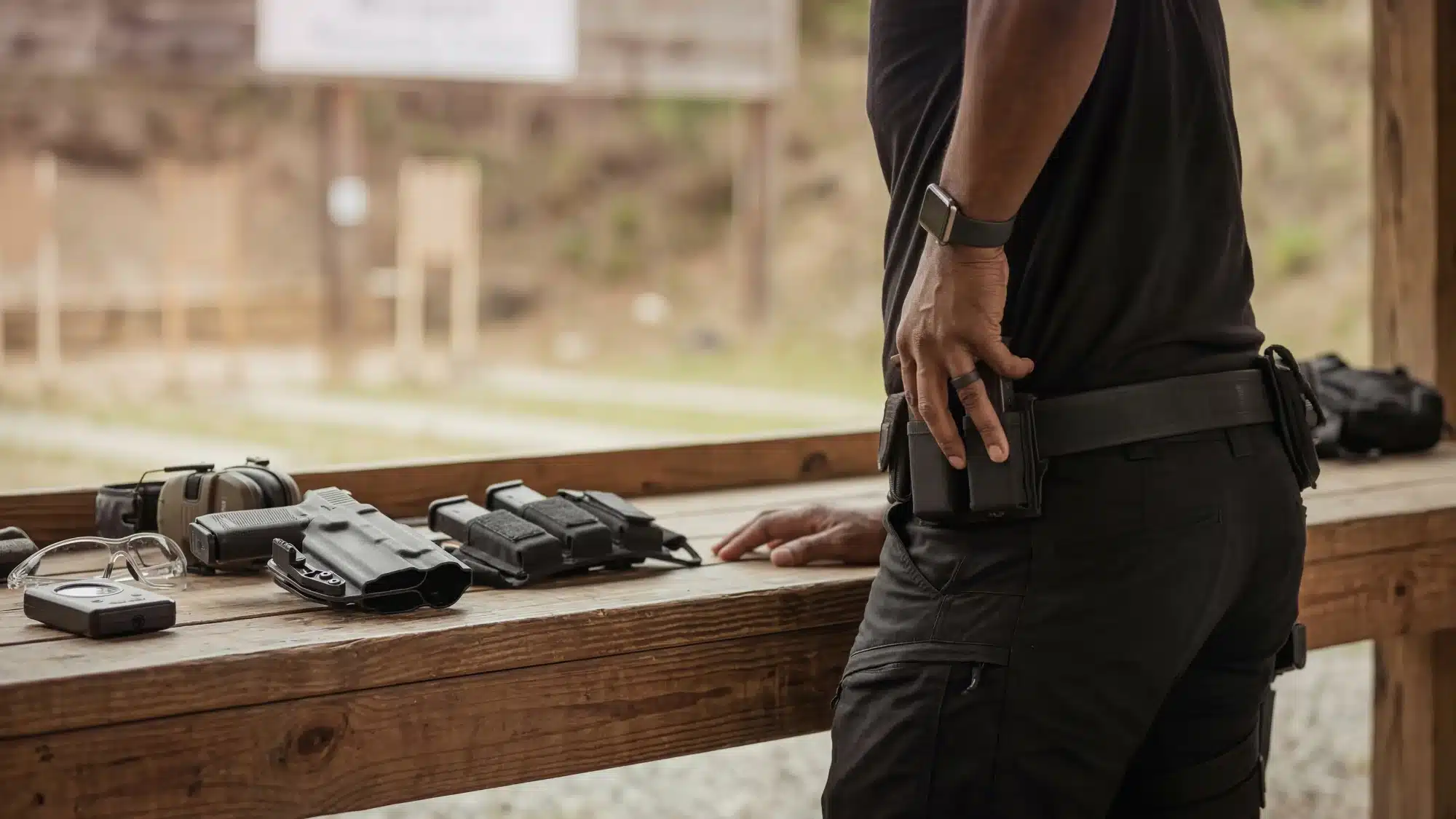
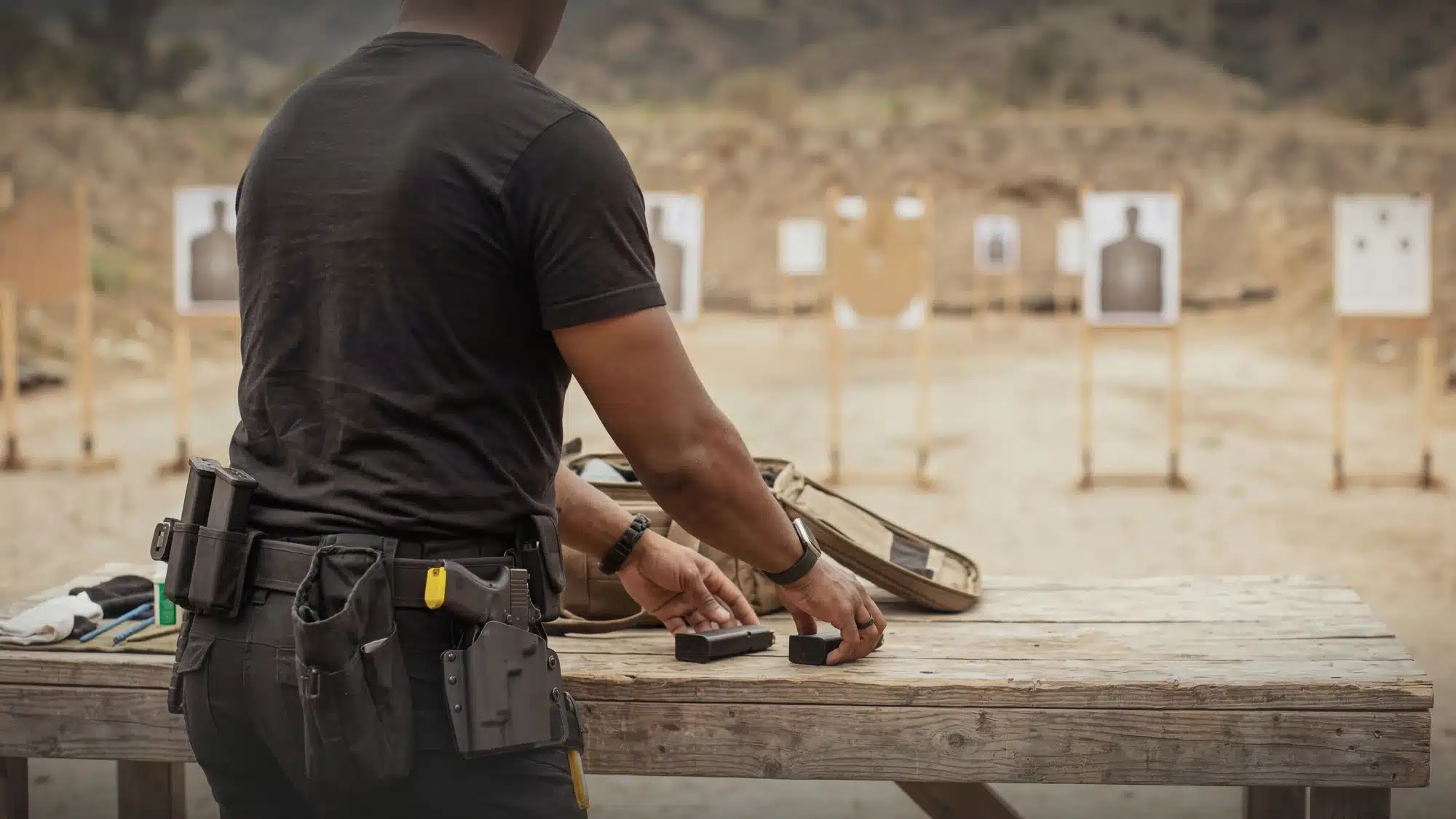
Do not assume you must already own a firearm to ask about beginner training. Contact the provider about supplied equipment, identification, attire, accessibility, and any age restrictions. For its posted permit class, Vantage Point asks students to wear closed-toe shoes and suggests bringing something for notes.
A simple preparation checklist can help:
- Identify which credential or learning goal you’re researching.
- Confirm that your chosen course matches that goal.
- Ask what students must bring and whether additional costs apply.
- Set aside time to review course material and raise questions.
Those steps help prevent arriving unprepared or registering for a class with the wrong purpose.
Understand What Training Does Not Do
Completing a safety course does not grant a pistol permit, establish eligibility, or authorize carrying a firearm. Connecticut licensing authorities evaluate applications and conduct required checks. Applicants should consult current state guidance for eligibility, application procedures, and documentation rather than relying on a class advertisement alone.
Avoid the original article’s assumption that every applicant must attend an interview or receive approval within two or three months. Circumstances and processing times vary, and an application can be denied under applicable law.
Keep Education Going After the Class
Learning need not end with a required course. Vantage Point offers private firearms lessons for people seeking personalized instruction and has published details about its instructors and training approach. Ask which options suit your experience and whether prerequisites apply.
Make October a Safety-First Starting Point
If you’re exploring Connecticut’s pistol permit pathway, begin by choosing education that matches your needs and checking official requirements independently. Contact Vantage Point in Salem to ask about course content, scheduling, and enrollment. A thoughtful first conversation can clarify your training choices while keeping safety, legal responsibilities, and realistic expectations at the center.