As winter approaches and temperatures drop, firearm owners face unique maintenance challenges that can significantly impact performance and reliability. Whether you’re a seasoned shooter or someone who relies on firearms for personal protection, preparing your weapons for cold weather is essential. This comprehensive guide covers everything you need to inspect and maintain before the harsh winter months arrive.
Why Winter Maintenance Matters for Firearm Performance
Cold weather presents distinct environmental challenges that standard maintenance routines may not adequately address. Understanding these seasonal factors is the first step toward keeping your firearms in optimal condition throughout the winter months.
Temperature fluctuations create condensation buildup inside storage areas, while moisture from snow and rain can penetrate firearm mechanisms and cause rust formation. Additionally, standard lubricants thicken in cold temperatures, leading to sluggish cycling, failures to feed, and potential malfunctions that compromise reliability when you need it most.
The good news? With proper preparation and inspection, you can prevent these issues entirely. Let’s break down the essential maintenance checks every firearm owner should perform before winter arrives.
Deep Cleaning: Your First Line of Defense
Before the cold weather sets in, a thorough cleaning is paramount to removing any residue that could trap moisture during storage.
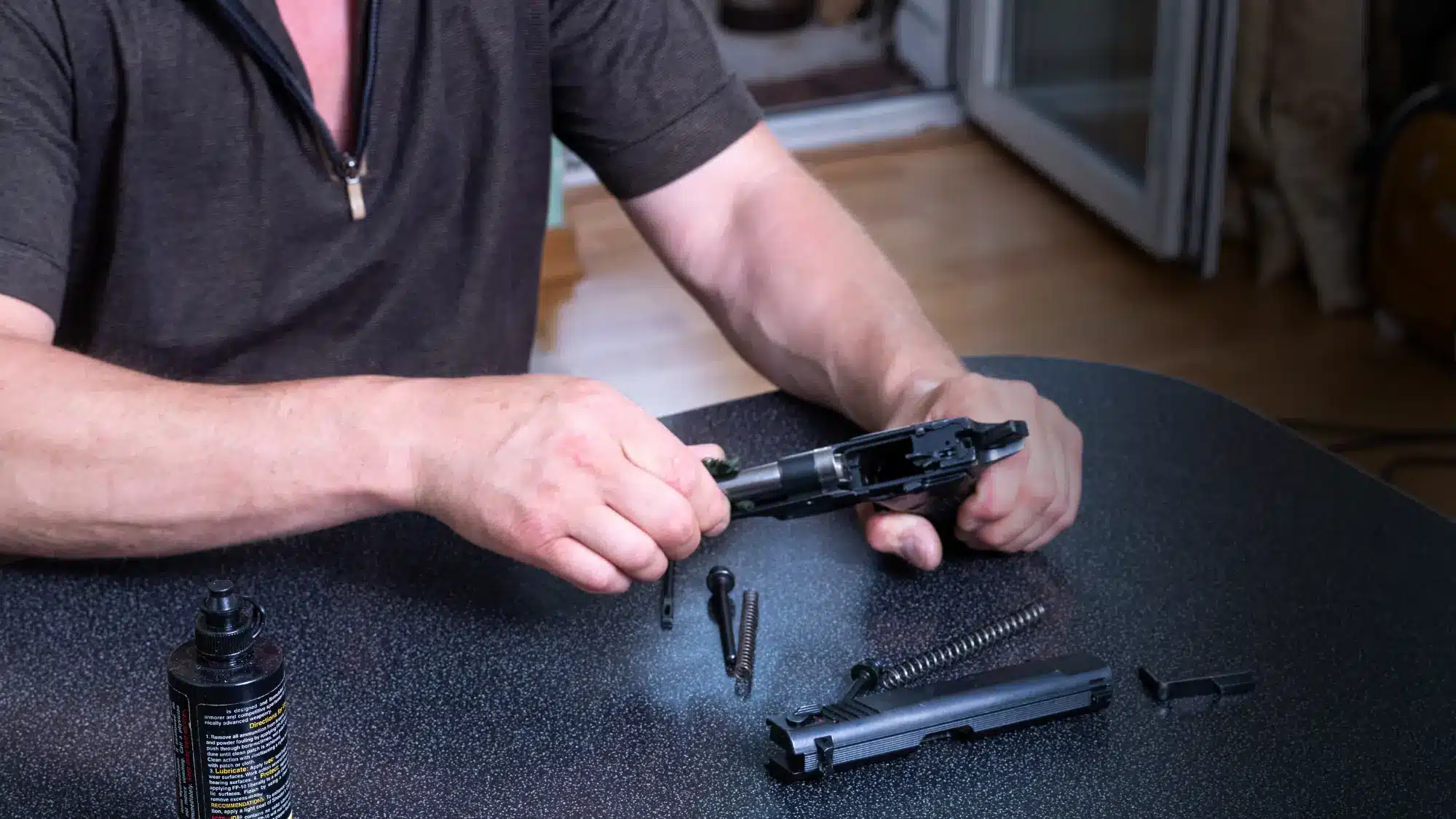
Start with a complete disassembly of your firearm according to manufacturer specifications. Strip down all components and remove dirt, carbon buildup, and any lingering lubricant residue from previous seasons. Pay particular attention to areas prone to trapping moisture, such as under the stock or handguards.
Use appropriate solvents and brushes to clean the bore, chamber, bolt carrier group (for AR-style rifles), action, and all internal and external surfaces. After cleaning, ensure all components are completely dry using clean patches, compressed air, or lint-free cloths to remove any residual solvent or moisture.
This deep cleaning removes the foundation for rust and corrosion, ensuring your firearm enters winter in pristine condition.
Lubricant Selection: The Critical Winter Switch
One of the most common mistakes firearm owners make is using the same lubricant year-round. What works well in summer becomes problematic in winter.
Switch to cold-weather-specific lubricants designed with low viscosity that remains fluid at freezing temperatures. Traditional oils and greases thicken significantly in extreme cold, impeding the smooth movement of critical components like the bolt carrier group, trigger mechanisms, and magazine springs.
Apply lubricant sparingly to all recommended points as per manufacturer instructions, focusing on areas of friction and wear such as slide rails, locking lugs, and pivot points. Excess oil attracts dust and debris, especially in dry, cold environments, so restraint is key.
Before heading to the range or carrying daily, test your firearm after lubricating to ensure smooth cycling and proper function.
Ammunition Inspection: Don’t Overlook This Step
If your ammunition has been sitting through fluctuating winter temperatures, inspection before use is critical.
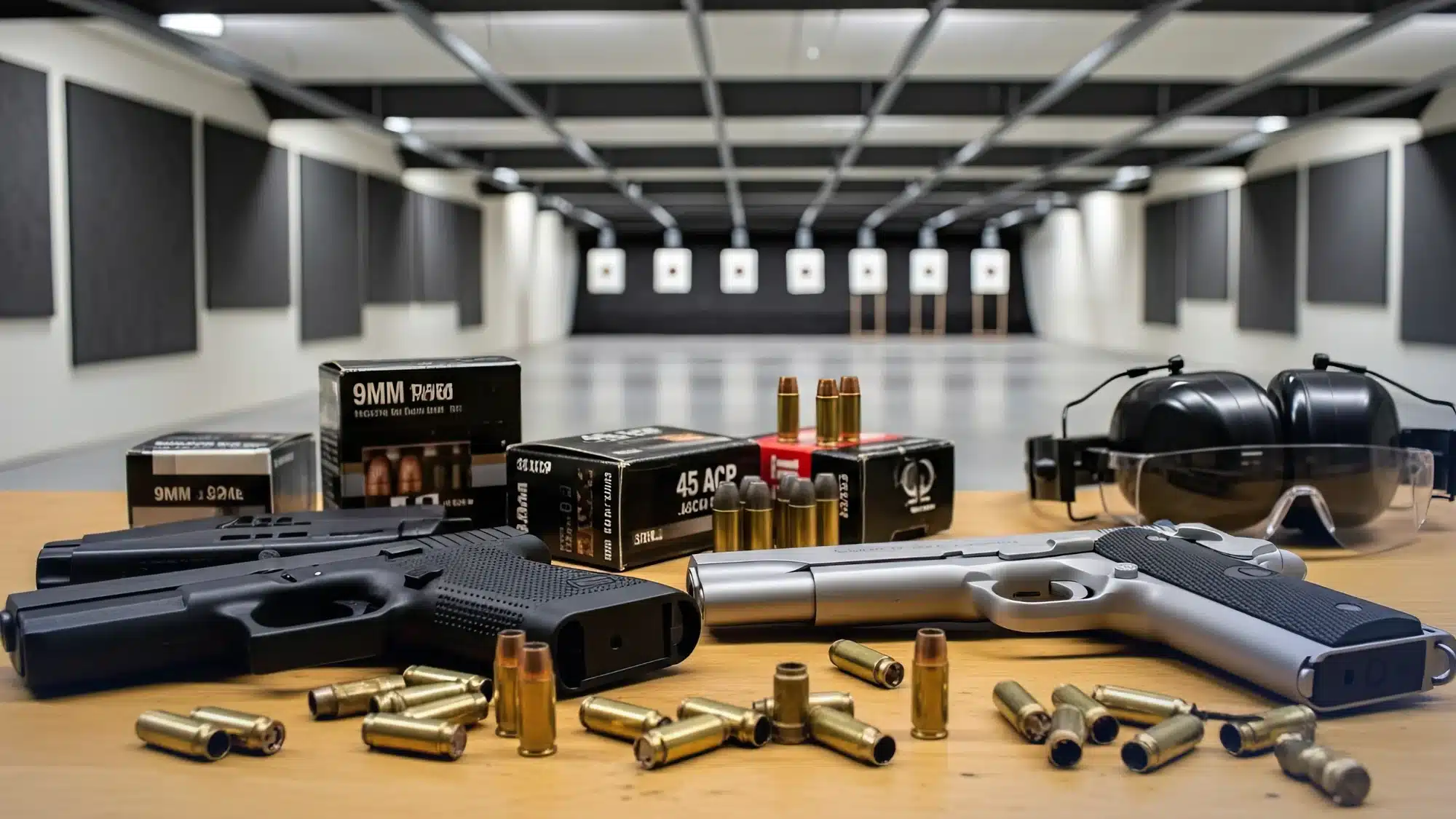
Look for tarnished or corroded casings and inspect primers for signs of wear or moisture exposure. Discard any rounds showing rust, water damage, or compromised integrity. Rotate your stock to ensure you’re using fresh, reliable rounds, and consider storing ammunition in thermal bags or boxes that provide protection against temperature fluctuations.
Reliable ammunition means reliable performance when it counts most.
Moisture Management: Protecting Against Condensation
Increased humidity and temperature swings create condensation that accelerates rust and wear on metal components.
Wipe down your firearm with a dry cloth after each use, and store your weapon in a temperature-controlled, low-humidity environment. Use moisture-absorbing silica gel packs in your gun safe or storage cases to absorb excess moisture from the air.
For long-term storage, consider rust-inhibiting compounds, oils, and sprays specifically designed for this purpose. Gun socks treated with rust inhibitors are also an excellent option for protecting firearms during extended storage periods.
Range Day Precautions: Cold Weather Shooting
If you plan to use your firearms during winter, additional precautions ensure safe and reliable performance.
Keep firearms as warm as reasonably possible when not actively shooting—store them inside a vehicle or insulated bag to minimize the impact of cold temperatures on lubricants. Manually cycle the action several times before loading and firing to ensure the lubricant is still fluid and components move freely.
Carry spare magazines kept warm, as cold temperatures can sometimes affect magazine performance. After a range session in cold or snowy conditions, clean your firearms immediately to remove any moisture, snow, or ice that may have accumulated.
Seasonal Accuracy Adjustments
Warmer air density and humidity levels can slightly impact bullet trajectory, so don’t skip this important step.
Take a trip to the range and test your accuracy before relying on your firearm for hunting or personal protection. Make small sighting adjustments if necessary and practice in different weather conditions to improve consistency.
Professional Guidance: When to Consult Firearms Trainers
While these maintenance checks are essential, many firearm owners benefit from professional guidance. Searching for “firearms trainers near me” can connect you to a provider of personalized instruction on proper maintenance techniques specific to your weapon type and shooting style. At Vantage Point, we recommend consulting with certified firearms trainers near you who can assess your current maintenance routine and identify any gaps in your preparation.
Professional trainers can also evaluate your cold-weather shooting technique and help you adjust your practice regimen for winter conditions, ensuring you maintain accuracy and safety throughout the season.
Your Winter Maintenance Checklist
Before 2026 arrives, ensure you’ve completed these essential inspections:
- Deep clean all firearm components and remove winter residue
- Switch to cold-weather-specific, low-viscosity lubricants
- Apply lubricant sparingly to key friction points
- Inspect ammunition for corrosion or damage
- Wipe down firearms after each use with dry cloths
- Store firearms in temperature-controlled environments
- Place silica gel packs in storage cases and safes
- Test accuracy at the range and make sighting adjustments
- Manually cycle actions before firing in cold conditions
- Clean immediately after exposure to moisture or snow
Cold-weather maintenance isn’t complicated, but it is essential. By performing these inspections and following proper maintenance protocols, you’ll ensure your firearms remain reliable, accurate, and rust-free throughout the winter months and beyond. Start your preparation now—don’t wait until temperatures drop and conditions become harsh.
About Vantage Point: We’re committed to helping firearm owners maintain their weapons safely and effectively. Whether you’re looking for maintenance guidance or professional instruction from experienced firearms trainers, we’re here to support your shooting journey year-round.