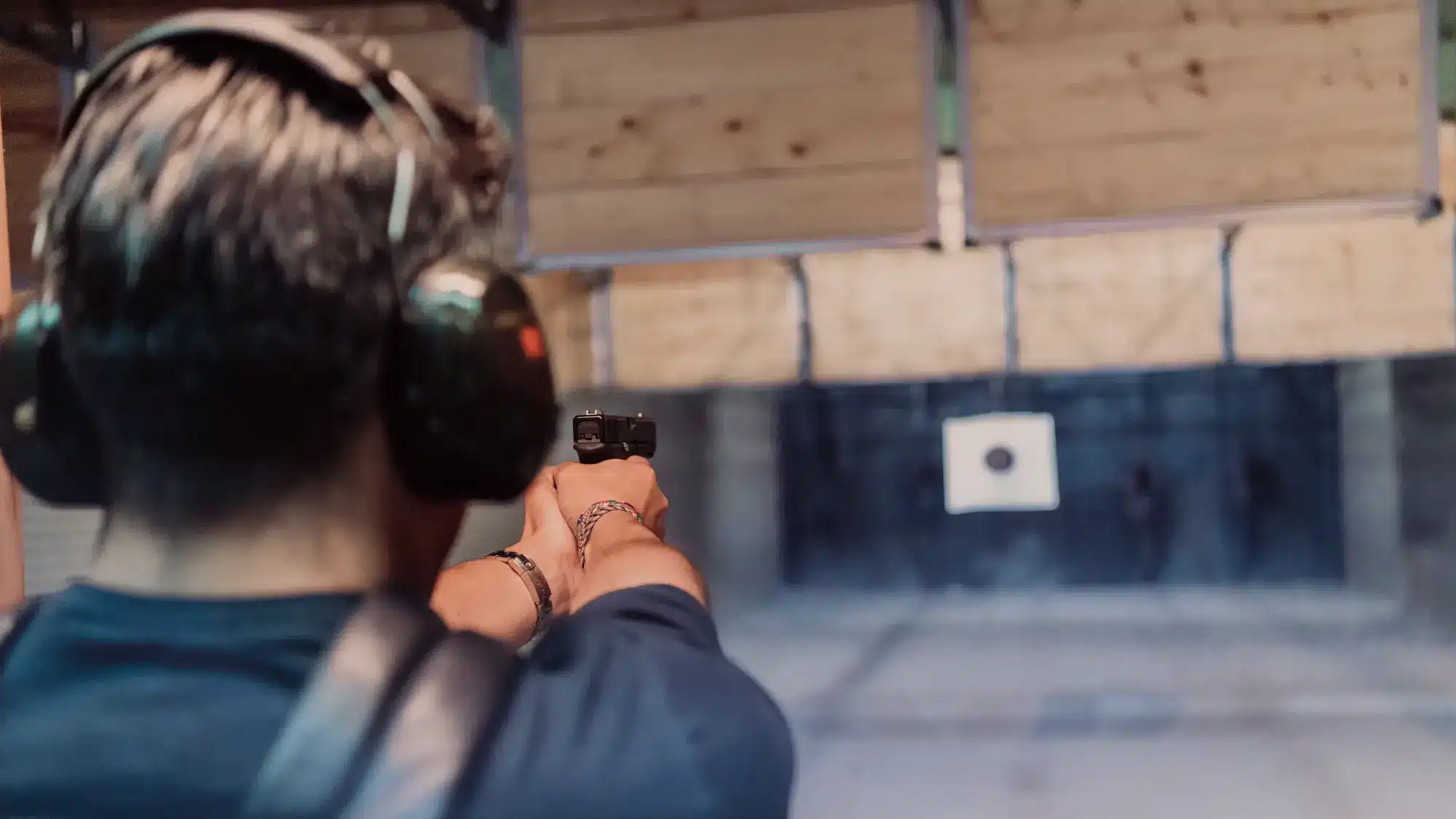
When outdoor range access becomes limited, many shooters find themselves searching for alternatives to maintain their proficiency. Whether due to weather, scheduling conflicts, or facility closures, the good news is that effective training doesn’t require a traditional shooting range. By adapting your practice routine indoors, you can continue building critical skills while maintaining safety standards. This guide explores how to transition your training program and why indoor practice remains a valuable component of any shooter’s development.
Why Indoor Training Matters
Indoor practice serves as a practical supplement to outdoor range sessions. It allows you to focus on foundational skills without the distractions and expenses associated with traditional range visits. Many shooters overlook the benefits of structured indoor training, yet it’s one of the most efficient ways to develop muscle memory and refine technique.
The key advantage of indoor practice is consistency. You can practice on your own schedule, eliminate weather-related interruptions, and concentrate on specific skill development. Whether you’re preparing for competition, defensive training, or general proficiency, indoor routines help you maximize every practice session.
Essential Safety Protocols for Indoor Practice
Before beginning any indoor training, safety must be your absolute priority. Unlike outdoor ranges with designated firing lines and backstops, your home environment requires deliberate preparation.
Designate a Safe Practice Area
Always point your firearm in a safe direction, and establish a specific zone for training where there is no risk of injury or damage if an accidental discharge were to occur. This might be a basement corner, garage section, or dedicated room. Ensure the area has a solid backstop or wall that can safely contain any projectile.
Ammunition Management
Remove all live ammunition from your practice area entirely. This eliminates the risk of accidentally loading a live round during your session. If you leave the room during practice, reclear your firearm upon return to ensure it remains unloaded. This discipline prevents catastrophic mistakes and builds safe handling habits.
Use Safety Tools
Chamber flags and barrel blockers serve as visual and physical reminders that your firearm is clear. A barrel block fills the chamber and allows the action to close fully, keeping your firearm perfectly safe while still allowing you to work the action as you would during live fire training. This tool is particularly valuable for dry-fire practice, as it maintains the integrity of your training movements.
Dry-Fire Training: Your Foundation for Indoor Practice
Dry-fire practice—firing your unloaded firearm—is one of the best ways to become a better shooter without ammunition costs or range fees. This method allows you to focus entirely on technique, trigger control, and sight alignment without the distraction of recoil or noise.
Trigger Control and Grip Drill
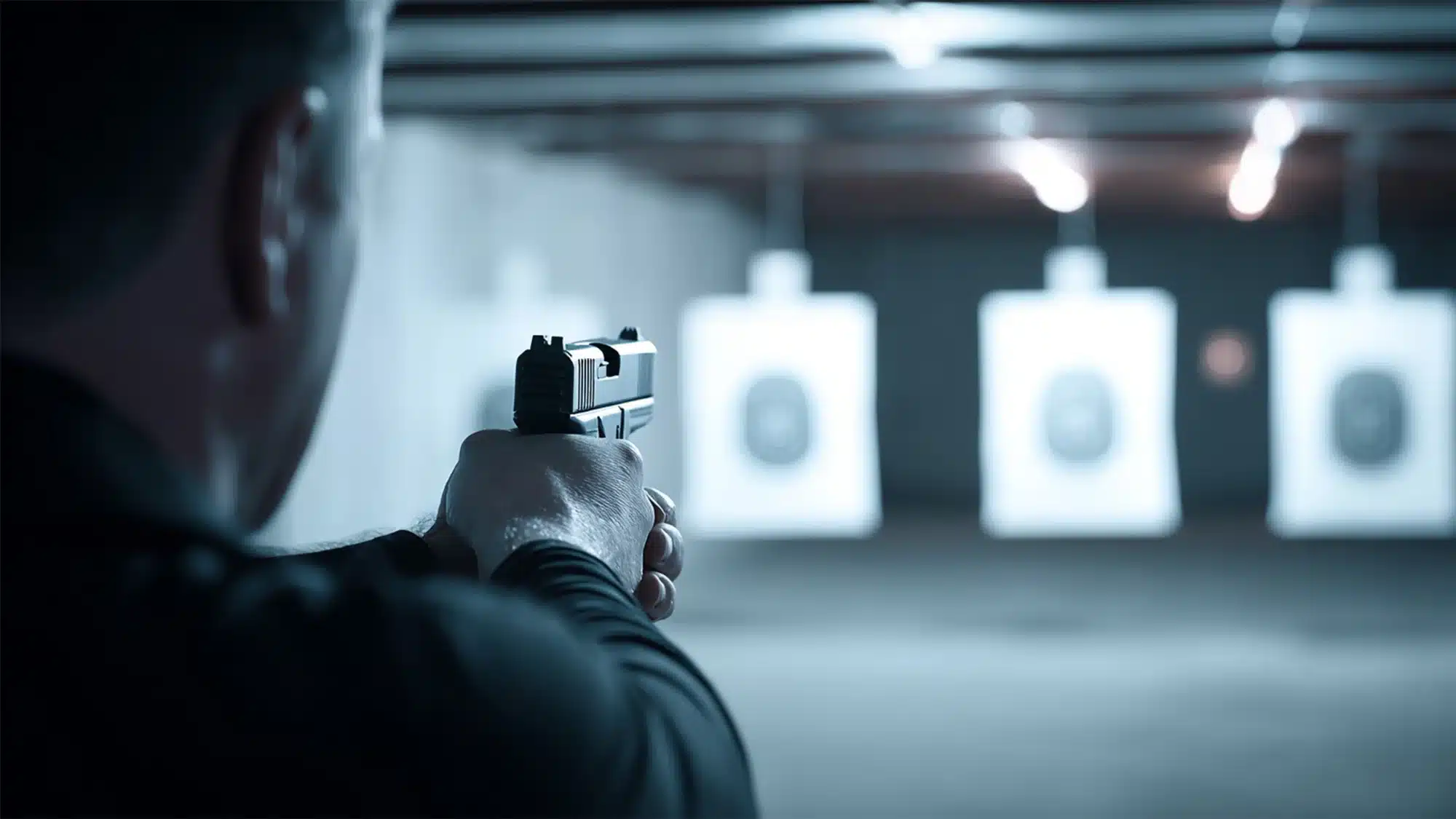
Start at a close distance, about 5 yards from your target (or target image on a wall). Slowly aim, then gently press the trigger, avoiding any jerking movement. Focus on keeping your grip steady throughout the process. The goal is to control your trigger pull and strengthen grip consistency. Use a smaller target to challenge your accuracy, as repetition builds muscle memory for smooth and consistent trigger pulls.
One-Handed Shooting Practice
Alternate between your dominant and non-dominant hands to practice one-handed shooting. This builds proficiency in case of an emergency. Start close to your target, around 3-5 yards, and practice shooting with each hand independently. Begin slowly with your non-dominant hand and increase your distance as you improve. This drill develops control over recoil and enhances your grip strength.
Positional Drills
Practice shooting from various positions such as sitting, kneeling, and prone. While you may have limited space indoors, you can still practice stance transitions and body positioning. Incorporate movement and use cover (furniture, doorways) to simulate real-world scenarios. These positional drills translate directly to outdoor range performance.
Structured Drills for Indoor Environments
Once you’ve mastered basic dry-fire techniques, progress to more advanced drills that build speed and accuracy simultaneously.
The Slow-Fire Accuracy Drill
This foundational drill focuses on precision, trigger control, and sight alignment. For new shooters, accuracy is the foundation of firearm proficiency. Load one round at a time into your firearm to prevent rushing (when practicing with ammunition at an appropriate location). Stand at a five- to seven-yard distance from the target, focus on proper grip, stance, sight picture, and trigger control before taking a shot, then slowly squeeze the trigger until the shot breaks. Assess your accuracy before loading another round.
Controlled Pairs Drill
Once you’ve mastered single-shot accuracy, the next step is learning to fire controlled pairs (also known as double-taps). This drill teaches shooters to fire multiple accurate shots in quick succession. Align your sights and practice the motion of firing two quick shots while maintaining control. Focus on managing recoil and resetting your sights between shots. Avoid slapping the trigger; instead, maintain contact and reset it smoothly between shots for better accuracy.
The “One to Five” Drill
This drill improves speed, accuracy, and trigger control under pressure and is excellent for beginners looking to balance both elements. Place a standard target ten yards away (or use a target image indoors). Fire one shot, then two shots, then three shots, and so on up to five shots in one sequence. Each shot should be well-placed—do not sacrifice accuracy for speed. Take a break between sequences to assess your shot grouping.
Transitioning from Indoor to Outdoor Practice
Your indoor routine should complement, not replace, outdoor range training. When you return to the range, you’ll notice significant improvements in trigger control and sight alignment from consistent dry-fire practice.
Set Clear Goals
Focus on specific skills in each session. Rather than practicing everything at once, dedicate sessions to particular competencies—one day for trigger control, another for positional shooting, and another for speed development.
Prioritize Safety
Always follow range rules and maintain muzzle discipline. The habits you build indoors should reinforce safe handling practices that transfer seamlessly to outdoor environments.
Analyze Your Shots
Use a target with scoring rings to track progress. Whether practicing indoors or at the range, documentation helps you identify patterns and areas needing improvement.
Stay Consistent
Regular practice leads to steady improvement. Even 15-20 minutes of focused indoor training several times per week produces measurable results over time.
Finding Professional Guidance
While self-directed practice is valuable, professional instruction accelerates your development. If you’re looking to formalize your training, consider exploring “gun safety training courses near me” to find certified instructors in your area. Professional courses provide personalized feedback, structured progression, and the opportunity to learn from experienced trainers who can identify and correct technique issues that self-practice might miss.
Many instructors now offer hybrid programs combining indoor classroom instruction with outdoor range sessions, giving you the best of both approaches.
Limited outdoor range access doesn’t mean your training must stall. By implementing structured indoor practice routines, emphasizing dry-fire drills, and maintaining rigorous safety protocols, you can continue developing critical shooting skills from home. The discipline, consistency, and focus required for indoor training often produce better long-term results than sporadic range visits.
Start with foundational drills, progress systematically, and maintain the safety standards that protect you and those around you. When outdoor range time becomes available again, you’ll return with refined technique and renewed confidence—all developed through dedicated indoor practice.
About Vantage Point
Vantage Point is committed to providing comprehensive firearm training resources and safety education for shooters of all levels. Our content emphasizes practical, evidence-based training methods that help shooters develop proficiency while maintaining the highest safety standards.