
In Connecticut, obtaining a pistol permit generally involves completing a firearms safety program before submitting your application. This requirement is designed to ensure applicants understand safe handling, storage, and the legal responsibilities that come with firearm ownership. If you’re looking for a firearms training course in CT, this overview summarizes what to expect and how the process works.
Is a firearms training course required in CT?
Yes. Connecticut law requires that handgun applicants complete a state-approved firearms safety course before their permit application is considered. The course must be conducted by a DESPP-approved instructor or program. The intent is to provide foundational safety training and to verify that applicants understand the obligations that come with carrying or possessing a handgun. Exceptions can apply for certain law enforcement personnel, and there may be special considerations for non-residents or specific permit categories. Always verify the latest requirements with your local police department or DESPP to ensure you’re enrolling in an approved program.
What does the firearms training course in CT cover?
A typical state-approved firearms safety course ct includes:
- Safe handling, storage, and transportation of firearms
- Fundamentals of firing and safe range conduct
- Basic marksmanship and loading/unloading procedures
- Overview of Connecticut firearm laws, use of force, and legal responsibilities
- Storage and security measures to prevent unauthorized access
- Practical scenarios and decision-making related to self-defense and safety
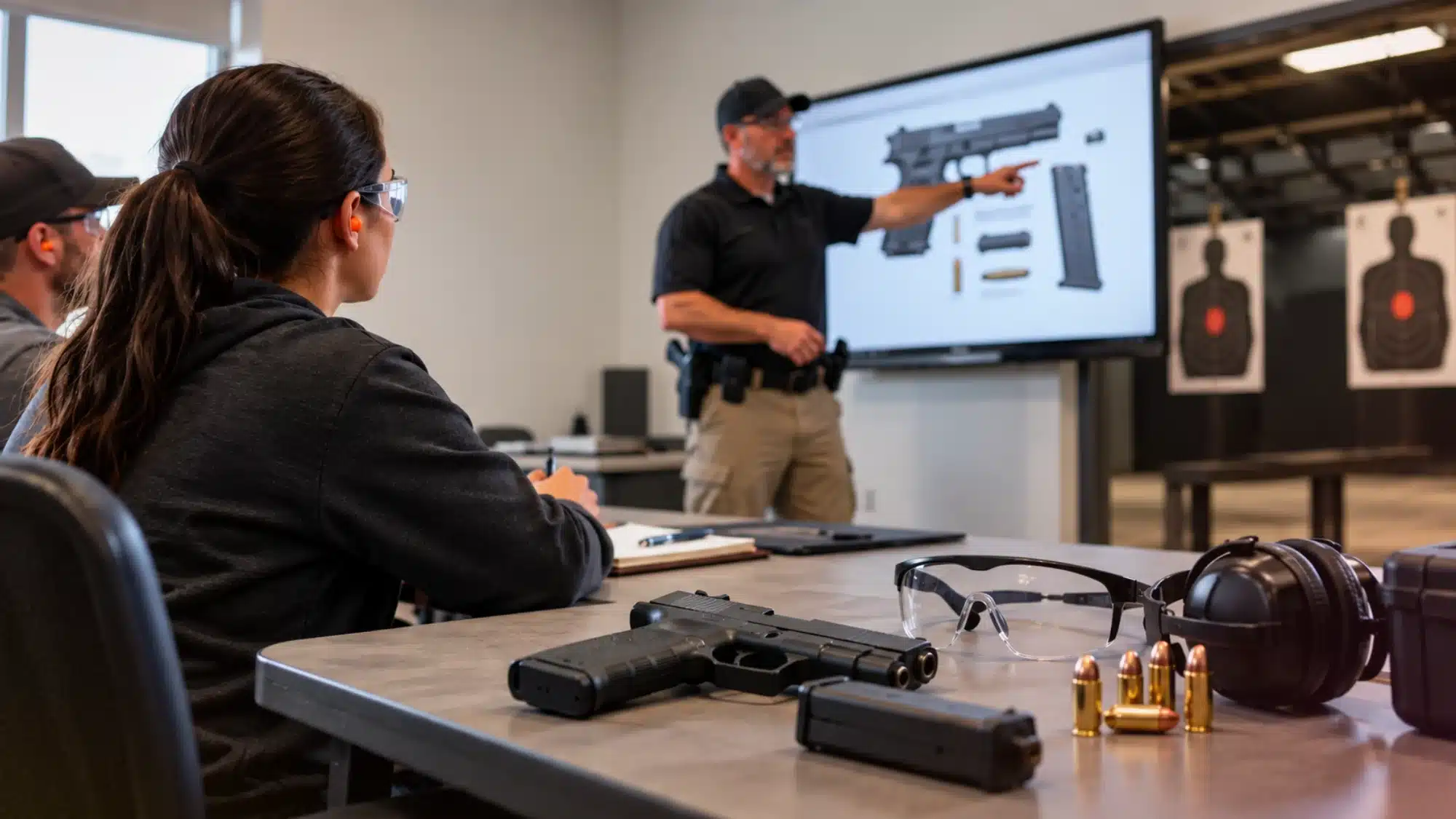
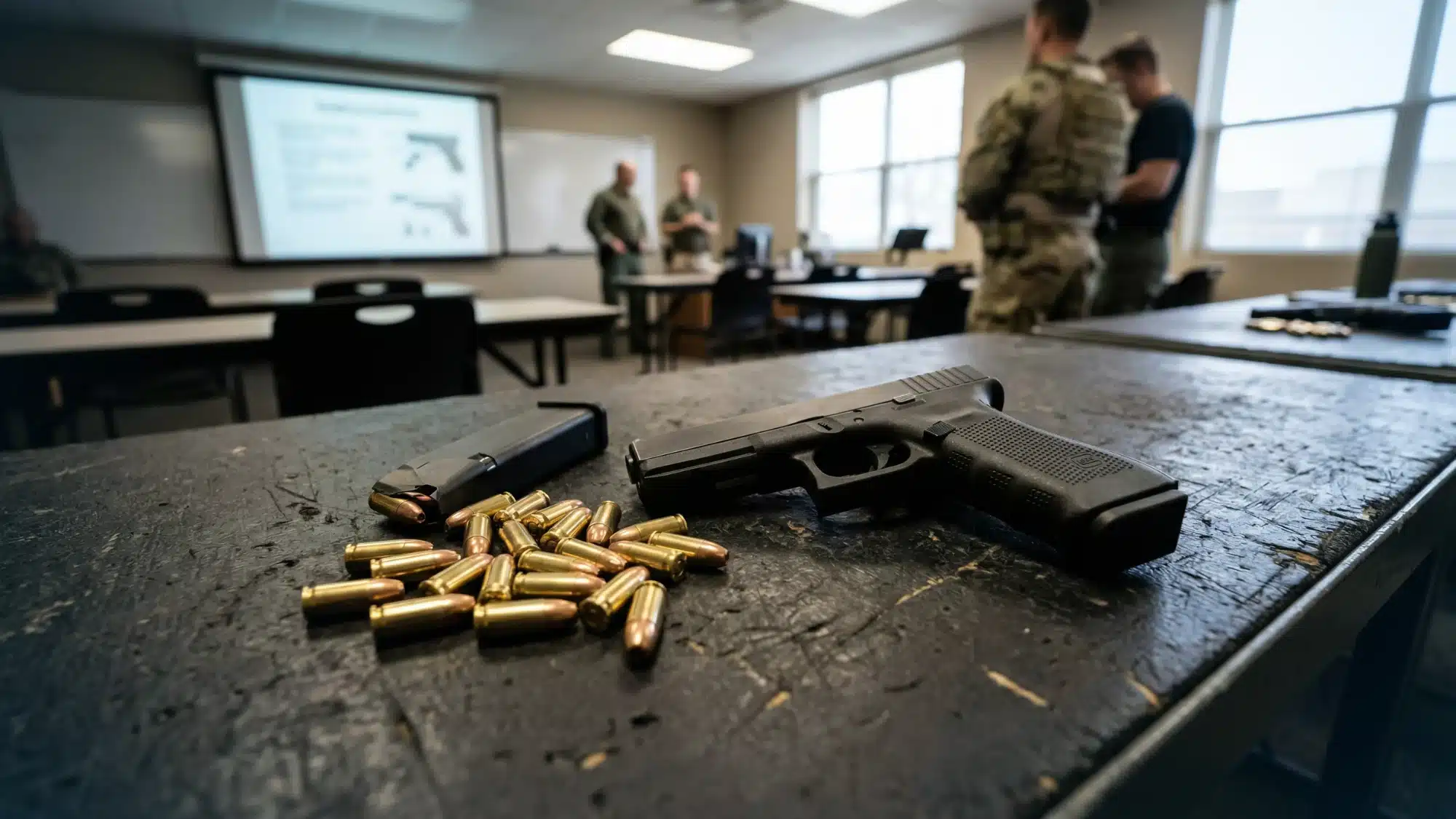
Most courses combine classroom instruction with hands-on practice, including a supervised range session. Upon successful completion, you receive a certificate of completion that you’ll need to submit with your pistol permit application. When evaluating courses, verify that the program is DESPP-approved and that the curriculum covers the required safety and legal topics.
What to expect during the pistol permit process after training
After you complete the firearms training course ct, the next steps typically involve:
- Submitting your pistol permit application to your local police department, along with the required documentation and the training certificate
- Undergoing a background check and fingerprinting as part of the application
- A review of your criminal history, mental health considerations, and character references
- An evaluation period that can span several weeks to months, depending on the department and backlog
- If approved, receiving your pistol permit, which may cover purchase, possession, or carry, depending on the category issued
Note that Connecticut uses a structured process that emphasizes safety and responsible ownership. Timelines and fees vary by locality, so contact your local police department for precise guidance and current processing times.
Practical tips for choosing and participating in a firearms training course in CT
- Verify approval: Ensure the course is DESPP-approved and that the instructor is authorized to deliver the required curriculum.
- Ask about the format: Confirm whether the program includes both classroom and live-fire components, as well as any range time requirements.
- Check for updated content: Laws evolve, so select a course that reflects current Connecticut statutes and relevant case law.
- Obtain documentation: Request a Certificate of Completion and keep copies for your records as you prepare your permit application.
- Prepare for the day: Bring appropriate identification, hearing protection, eye protection, and any materials specified by the instructor.
If you’re unsure where to start, Vantage Point can help you navigate the requirements and connect you with reputable, DESPP-approved training options. While this article outlines general expectations, always rely on official state and local authorities for the most current rules and procedures.
For most applicants in Connecticut, completing a firearms safety course in CT is a prerequisite for obtaining a pistol permit. The course ensures a baseline of safety, legal understanding, and responsible firearm ownership. By planning ahead, choosing an approved program, and following the application steps, you can move through the process with greater clarity and confidence. If you’d like guidance on selecting a reputable course or understanding the permit timeline, contact Vantage Point for a focused, professional consultation.
Disclaimer: This article provides general information and should not be construed as legal advice. Always verify current requirements with the Connecticut Department of Emergency Services and Public Protection (DESPP) and your local police department.