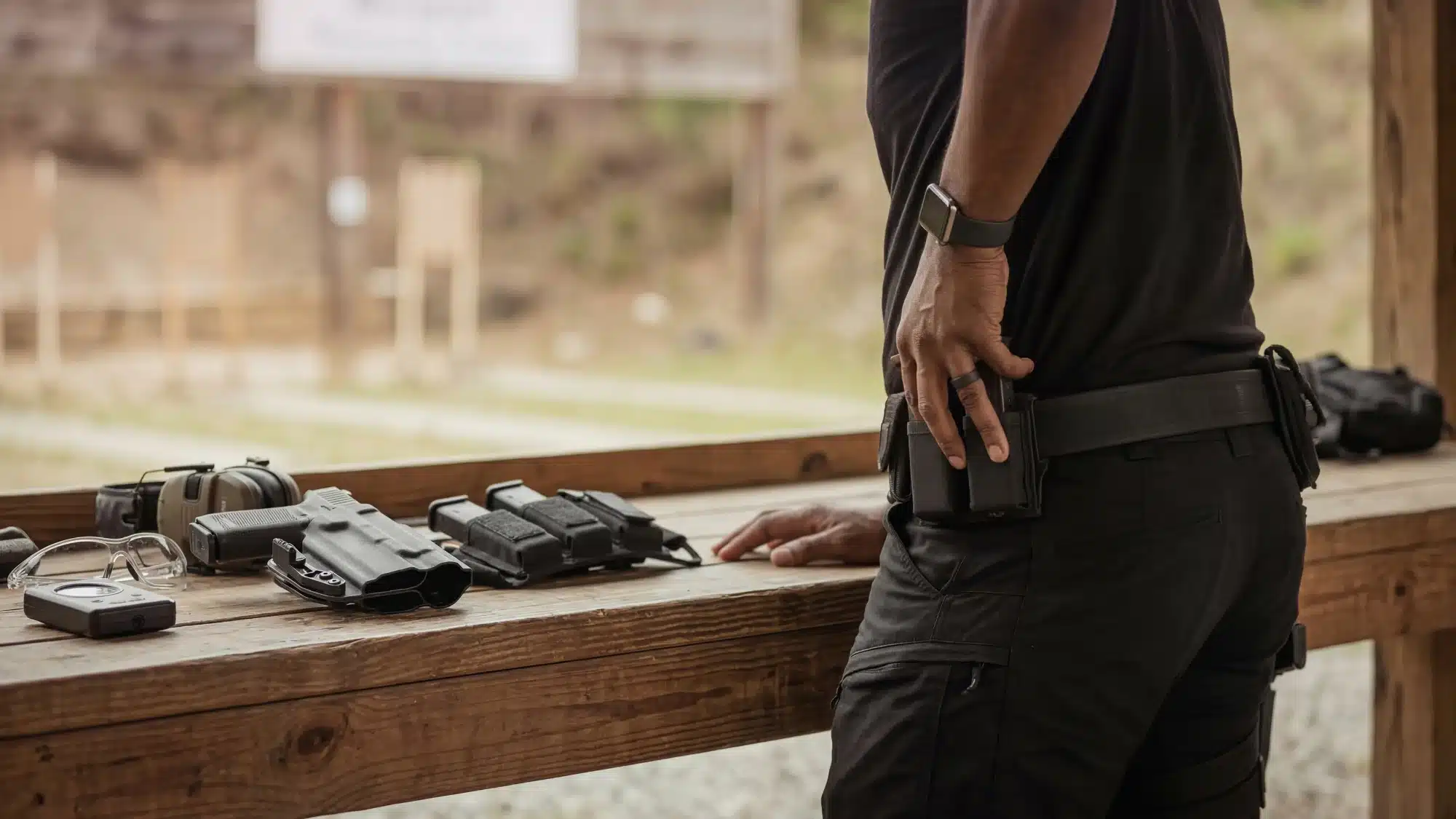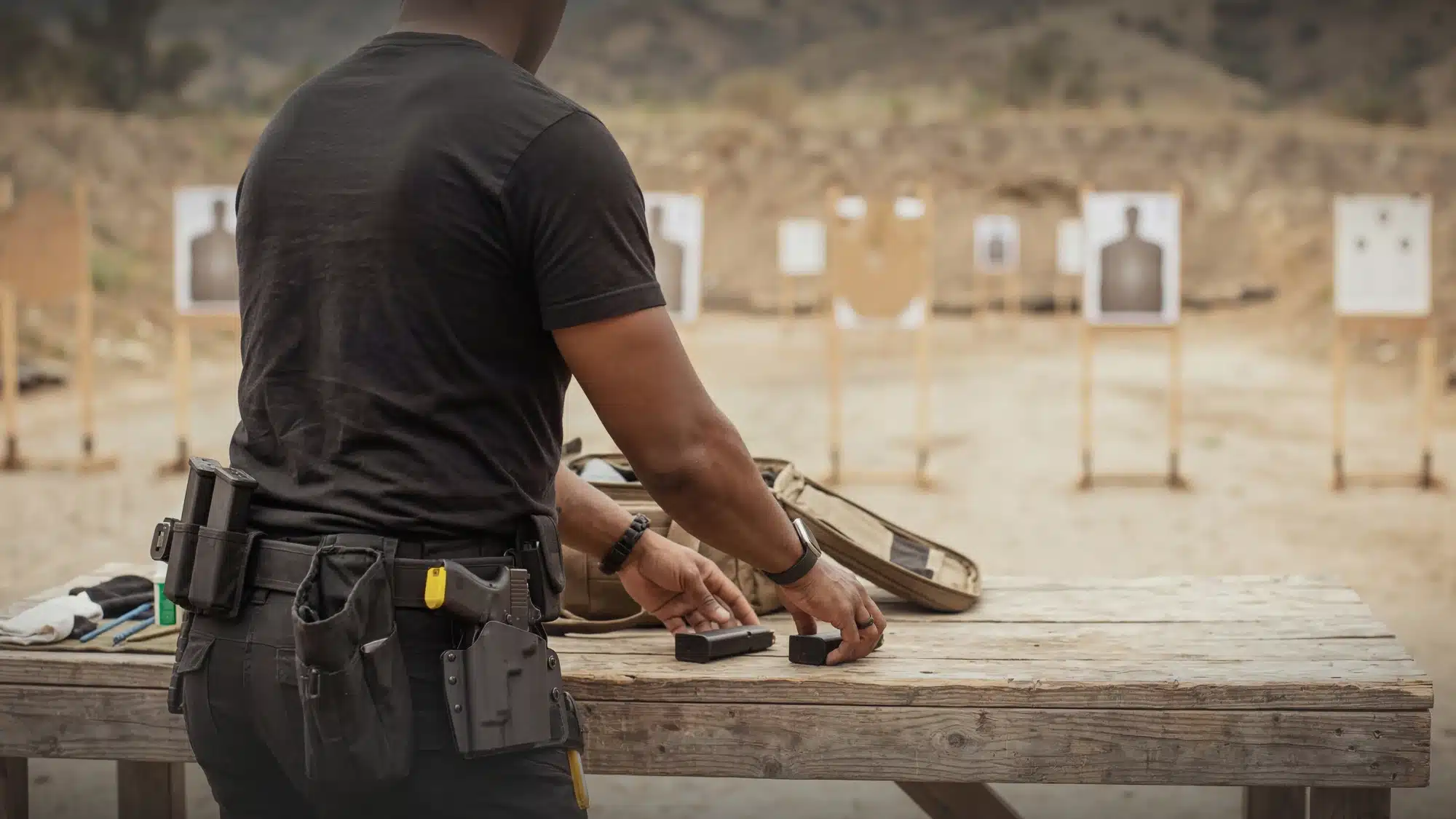
In recent years, the importance of gun safety and training has become increasingly evident. For beginners looking to familiarize themselves with firearms responsibly, enrolling in professional training courses is a crucial step. Vantage Point recognizes the importance of responsible firearm education and the value of proper training for new gun owners. In this article, we will explore what these training programs typically offer and how they can benefit those new to firearms.
Understanding Gun Safety and Training
Professional gun safety and training courses are designed to educate beginners on the fundamental aspects of handling firearms safely and responsibly. These courses are usually offered by accredited institutions or certified instructors with extensive experience in firearms education. Through structured sessions, participants learn essential skills that ensure safety, accuracy, and confidence when handling a firearm.
Key Components of Beginner Firearm Training
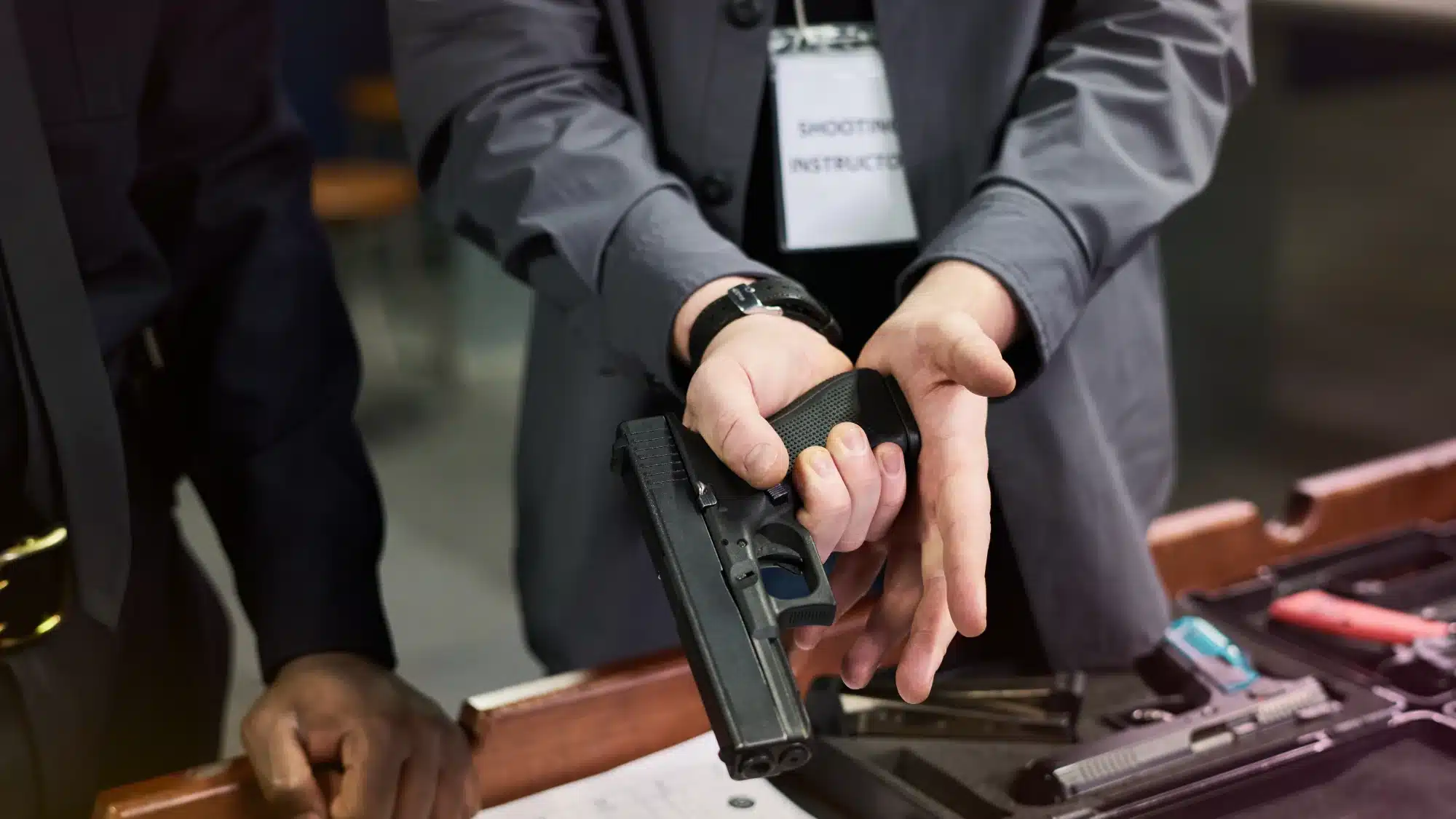
1. Basic Firearm Understanding: Beginner courses typically start with a comprehensive understanding of different types of firearms, including handguns, rifles, and shotguns. Participants learn about the components of each type, how they function, and their specific uses. This foundational knowledge is crucial for distinguishing between different firearms and understanding their appropriate applications.
2. Safety Protocols: The heart of any gun safety and training program is the emphasis on safety. Courses cover core safety rules, such as treating every firearm as if it is loaded, always pointing the muzzle in a safe direction, keeping your finger off the trigger until ready to shoot, and knowing your target and what lies beyond it. These protocols are ingrained through repetition and practical exercises.
3. Legal Considerations: Understanding the legal responsibilities that come with firearm ownership is essential. Training courses often include a section on local and federal laws, including permit requirements, transportation rules, and storage laws to ensure compliance and to avoid legal infractions.
Practical Skill Development
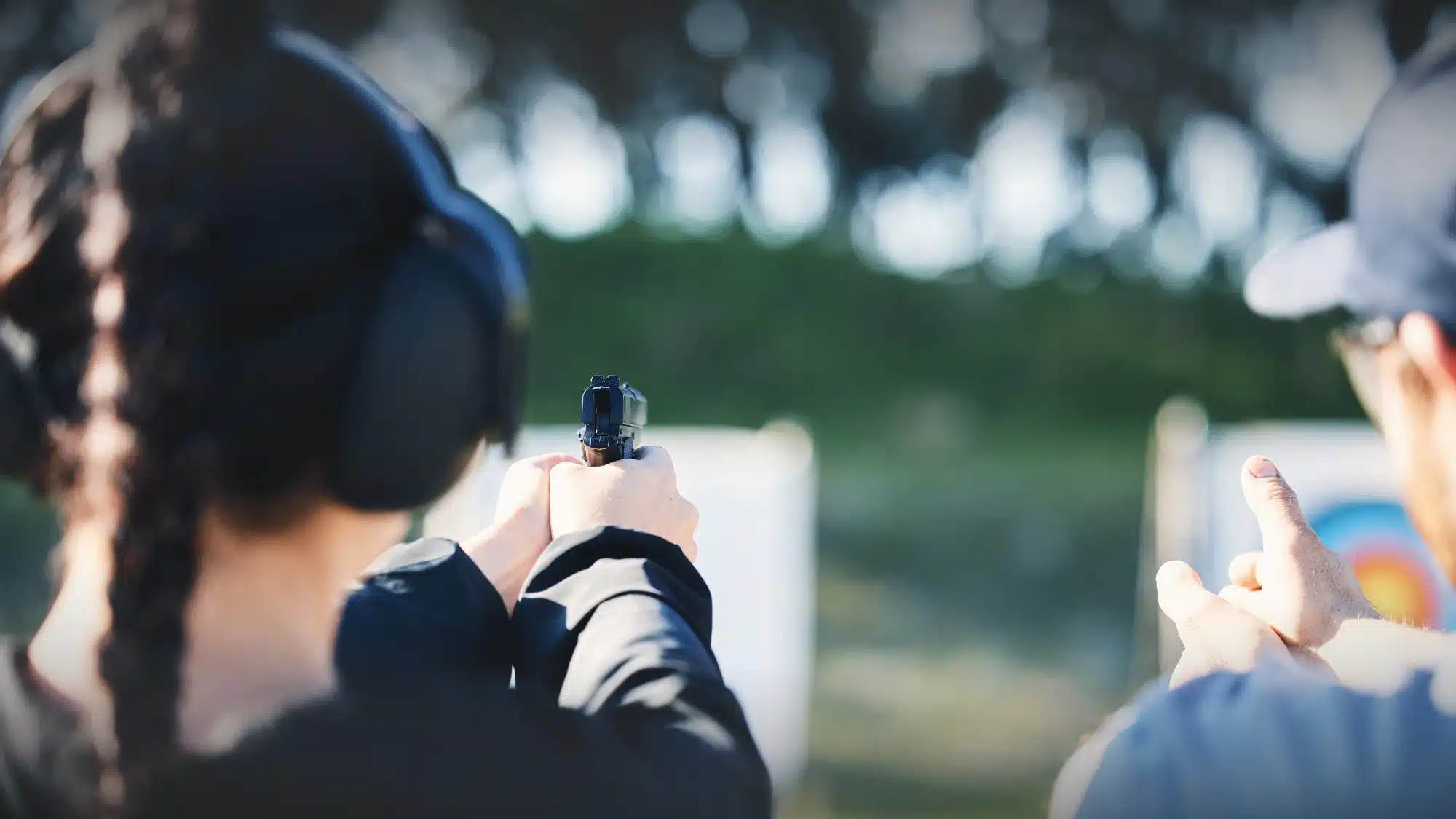
1. Shooting Techniques: Participants are taught proper shooting stances, grip, and sight alignment to improve accuracy. Instructors demonstrate these techniques, and trainees practice under guided supervision, allowing them to receive immediate feedback and corrections.
2. Loading and Unloading: Beginner training includes instruction on how to safely load and unload various firearms. This component is critical for reducing the risk of accidental discharge and ensuring that participants have hands-on experience of managing firearm mechanisms correctly.
3. Maintenance and Storage: Proper maintenance and storage of firearms are often overlooked by novice gun owners. Courses typically cover cleaning and care techniques, as well as recommendations for secure storage solutions that prevent unauthorized access.
Benefits of Professional Training
Enrolling in a gun safety and training program provides numerous benefits beyond just learning how to handle a firearm. First and foremost, training instills a sense of responsibility and respect for firearms. Participants gain confidence in handling guns safely and are more likely to adhere to best practices.
Additionally, professional guidance helps beginners develop good habits early on, reducing the likelihood of accidents. Many courses also offer constructive peer interactions, allowing learners to share experiences and learn from one another in a supportive environment.
Selecting the Right Training Program
When choosing a gun safety and training course, consider several factors. Look for programs accredited by national shooting organizations, such as the National Rifle Association (NRA) or similar bodies, which can attest to the quality and credibility of the training. Also, verify the qualifications and experience of the instructors to ensure they are certified and knowledgeable.
Networking with local firearm owners or reading reviews online can help you find a reputable training program. A good course will not only teach you how to handle a firearm but will also empower you with valuable skills that last a lifetime.
Conclusion
Professional gun safety and training courses play a vital role in educating new firearm owners. By joining a program, beginners can develop essential skills and a responsible mindset toward firearm ownership and usage. Whether you intend to pursue shooting sports, hunting, or simply wish to feel more secure in personal defense, enrolling in a structured training course is a wise and impactful step.
With guidance and education supported by Vantage Point, beginners can gain the confidence and knowledge needed to approach firearm ownership responsibly and safely.