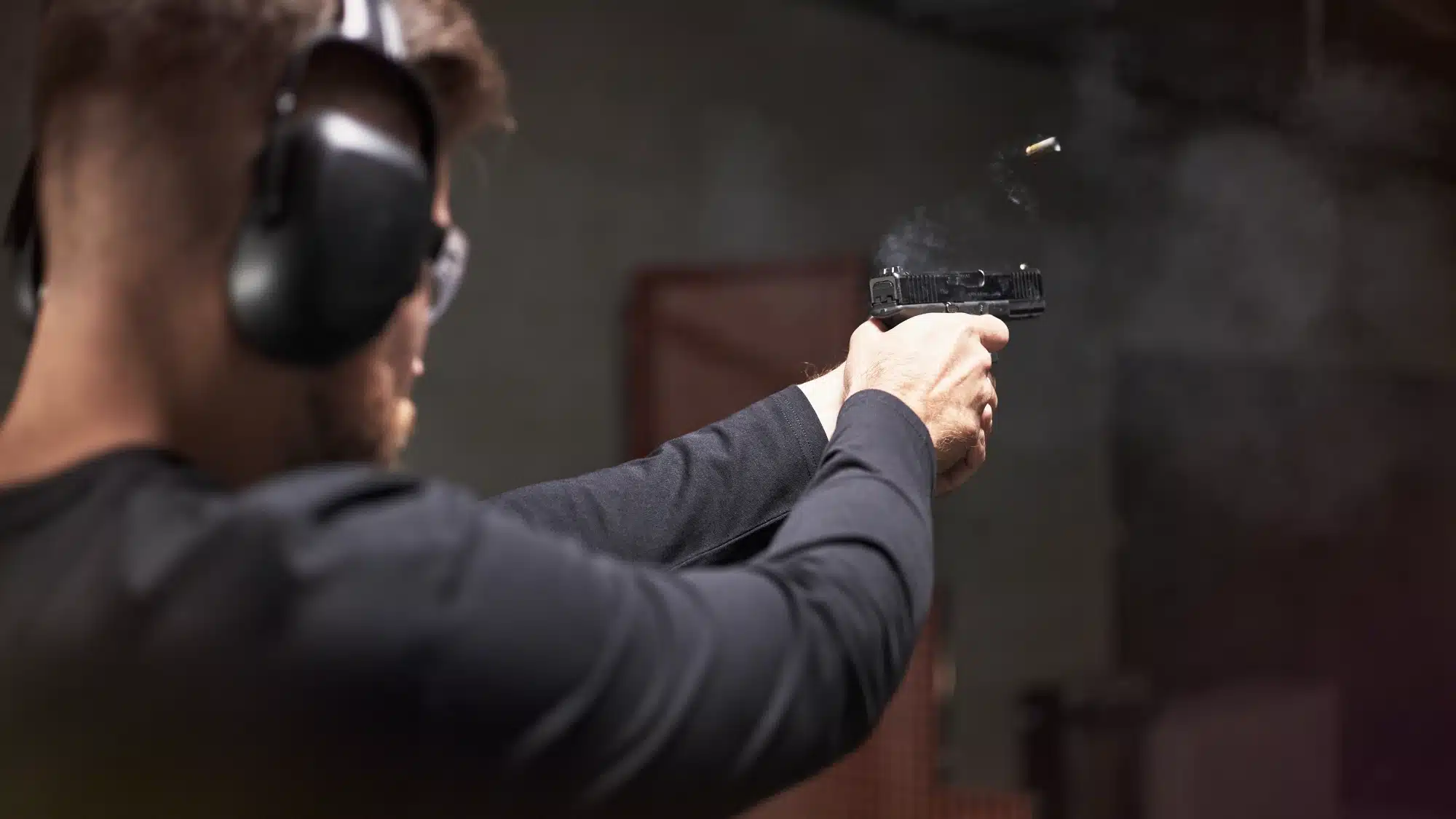
Firearm proficiency is a critical skill for both new and experienced gun owners. Undertaking a gun safety training course is not only responsible but often a legal obligation. Knowing how long these courses typically take can help enthusiasts plan better while ensuring they receive comprehensive education. Vantage Point recognizes the importance of firearm education and encourages individuals to pursue proper training that promotes safety, awareness, and responsible ownership.
Why Gun Safety Training Courses Matter
Before diving into the specifics of course durations, it’s essential to understand why gun safety training courses are indispensable. These courses provide crucial knowledge on safe handling, storage practices, and the legal aspects of firearm ownership. They are designed to prevent accidents and promote responsible ownership among both novices and seasoned gun handlers.
Course Duration for New Gun Owners
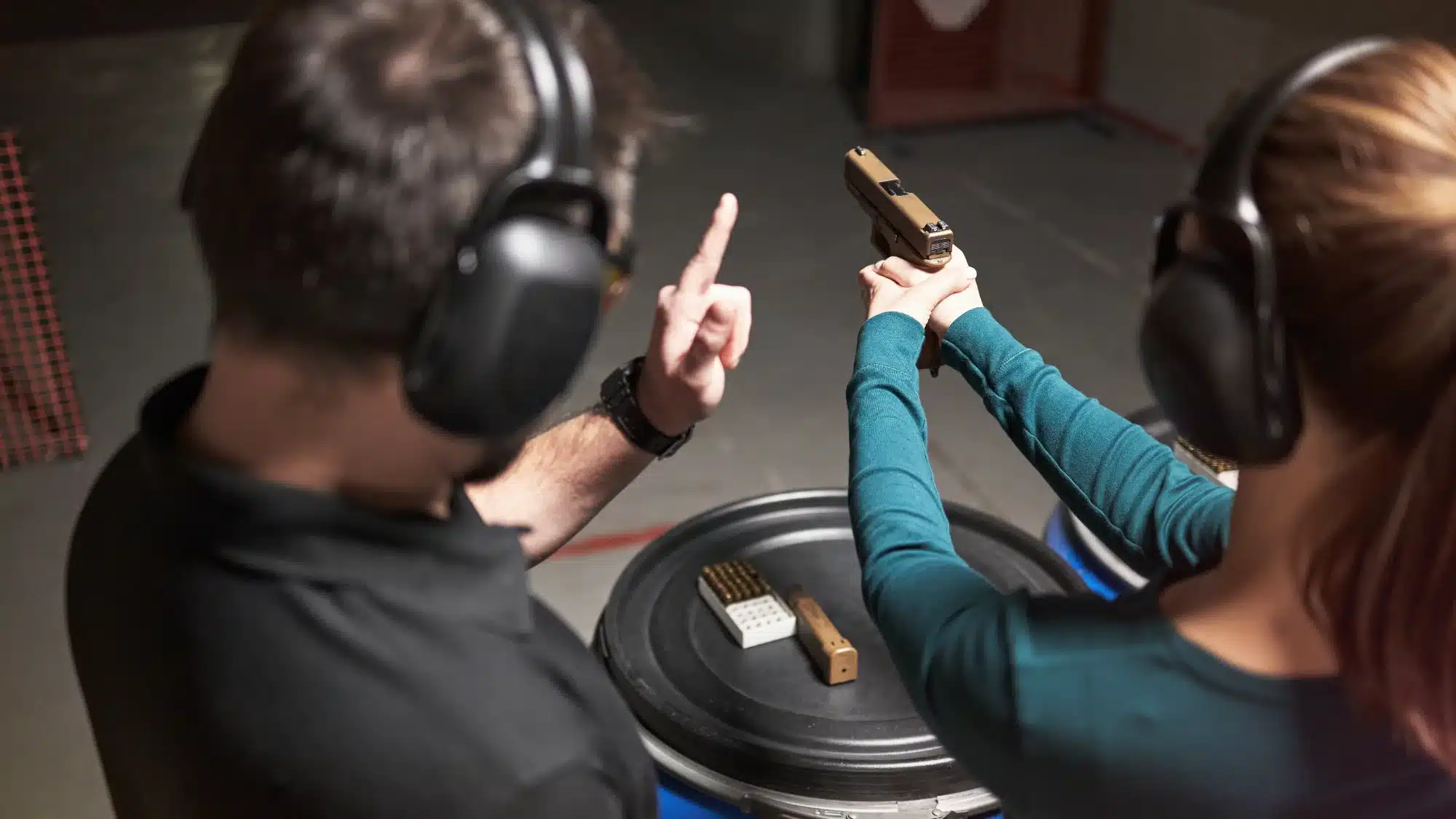
For individuals who are new to firearms, foundational courses generally range from 4 to 8 hours. These introductory courses cover essential topics such as:
- Basic Safety Rules: Understanding safe storage, handling practices, and loading and unloading procedures.
- Firearm Mechanics: Familiarization with different types of firearms, including handguns, rifles, and shotguns.
- Legal Aspects: An overview of local and federal laws related to firearm ownership and usage.
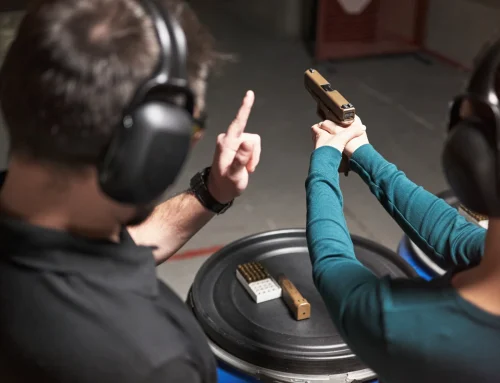
A typical beginner course includes classroom instruction followed by hands-on training at a shooting range. This comprehensive package ensures that new gun owners leave with a solid understanding of firearm usage and safety.
Course Duration for Experienced Gun Owners
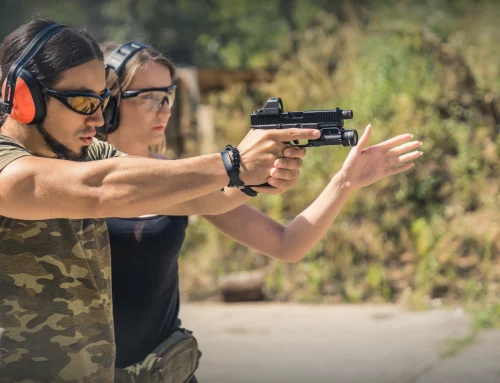
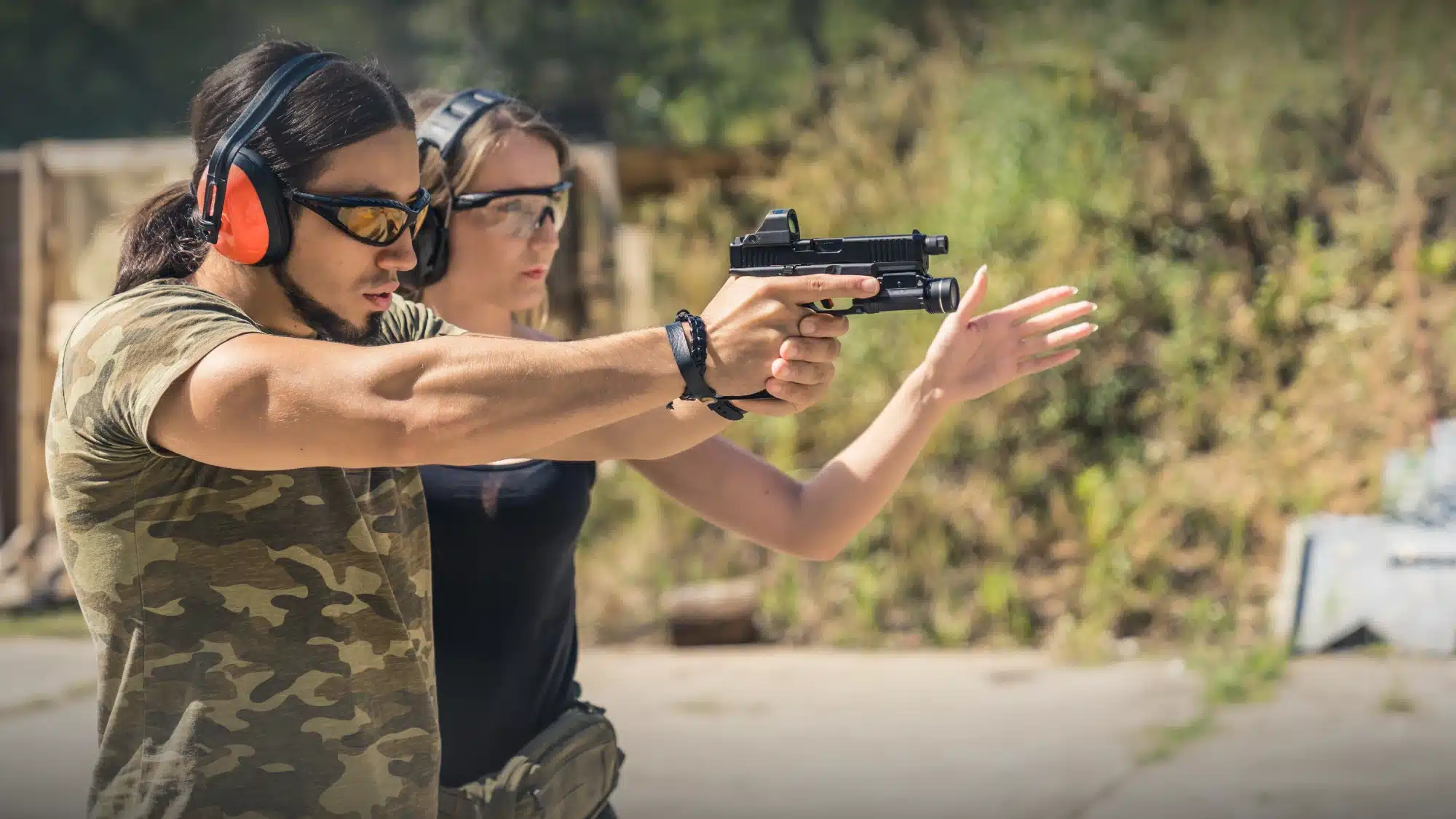
Experienced gun owners seeking advanced skills often enroll in specialized courses focusing on tactical shooting, self-defense, or specific firearm types. These courses usually last from 8 to 16 hours over one or two days.
Advanced seminars focus on:
- Precision Shooting Techniques: Improving accuracy and shot grouping.
- Dynamic Shooting Skills: Practicing shooting from various positions and under different conditions.
- Tactical Defense: Learning defensive shooting principles and strategies.
These gun safety training courses help experienced individuals refine their skills and stay updated on best practices and regulatory changes.
Factors That Influence Course Duration
Several factors may affect the length of a firearm training course:
- Course Complexity: Some courses cover more advanced material, requiring additional instruction time.
- State Requirements: Different states have varying mandates for both new and continuing education in gun safety.
- Certification Goals: Courses that aim to provide certifications will often have longer durations to ensure thorough knowledge transfer and assessment.
How to Choose the Right Course
Choosing the appropriate gun safety training course should be based on your skill level, training requirements, and schedule flexibility. Here are a few tips to consider:
- Research Credentials: Ensure the course is taught by certified and experienced instructors.
- Check Reviews: Look for testimonials from past participants to gauge their satisfaction and insights.
- Consider Your Goals: Whether you’re looking to improve basic safety skills or expand into tactical training, pick a course aligned with your objectives.
- Understand the Curriculum: Familiarize yourself with the course content to ensure it covers all necessary topics for your proficiency level.
Final Thoughts
Participating in a gun safety training course is a significant step toward responsible firearm ownership. Whether you are a new or experienced gun owner, investing time in these courses enhances your knowledge and safety, which ultimately benefits the wider community. Continuous education in firearm handling and laws remains essential for adapting to evolving regulations and best practices.
By understanding the typical timeframe and content of these courses, individuals can make informed decisions and build safer firearm habits. Vantage Point supports ongoing firearm education that promotes confidence, preparedness, and responsible firearm ownership for individuals at every experience level.