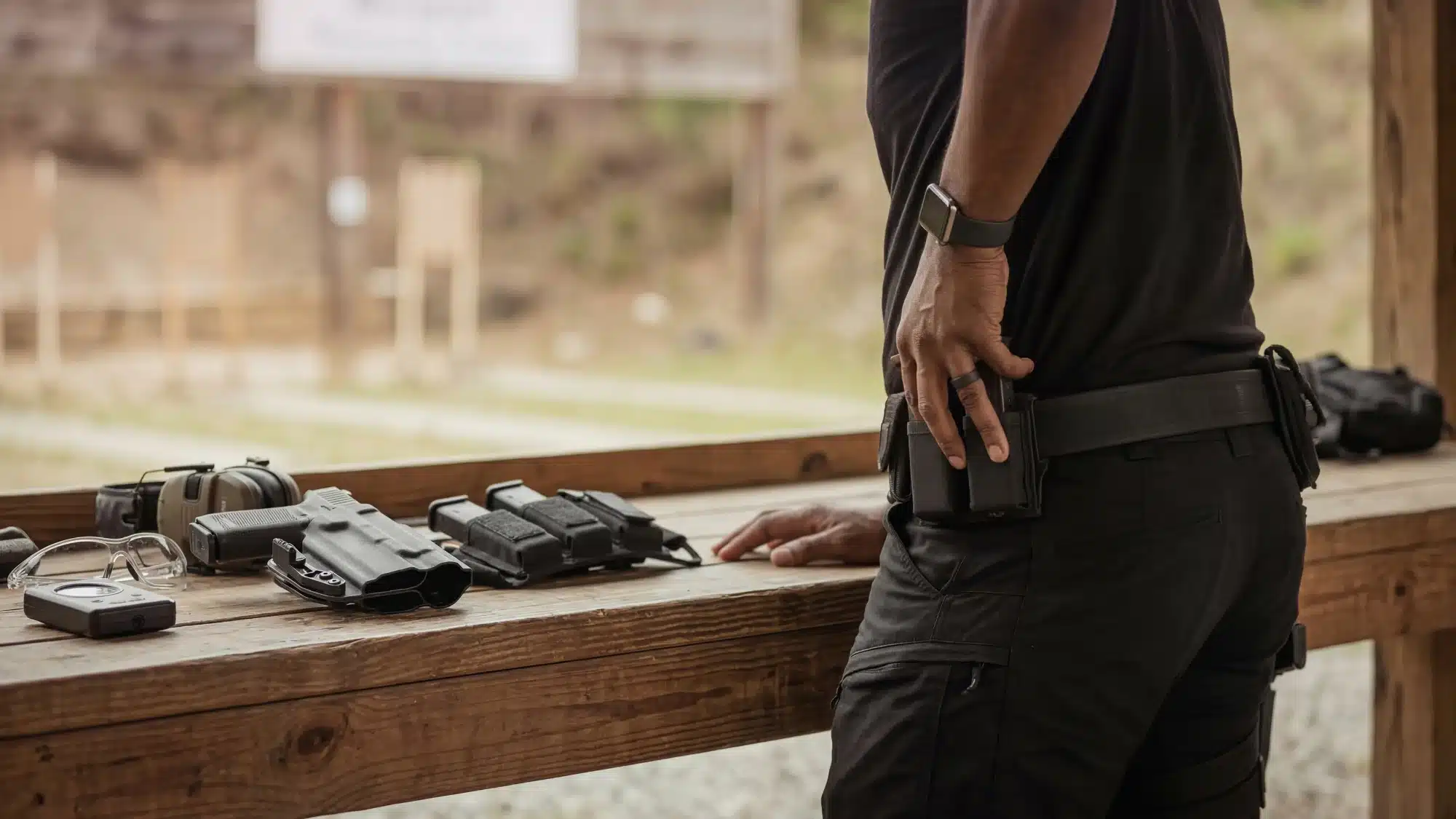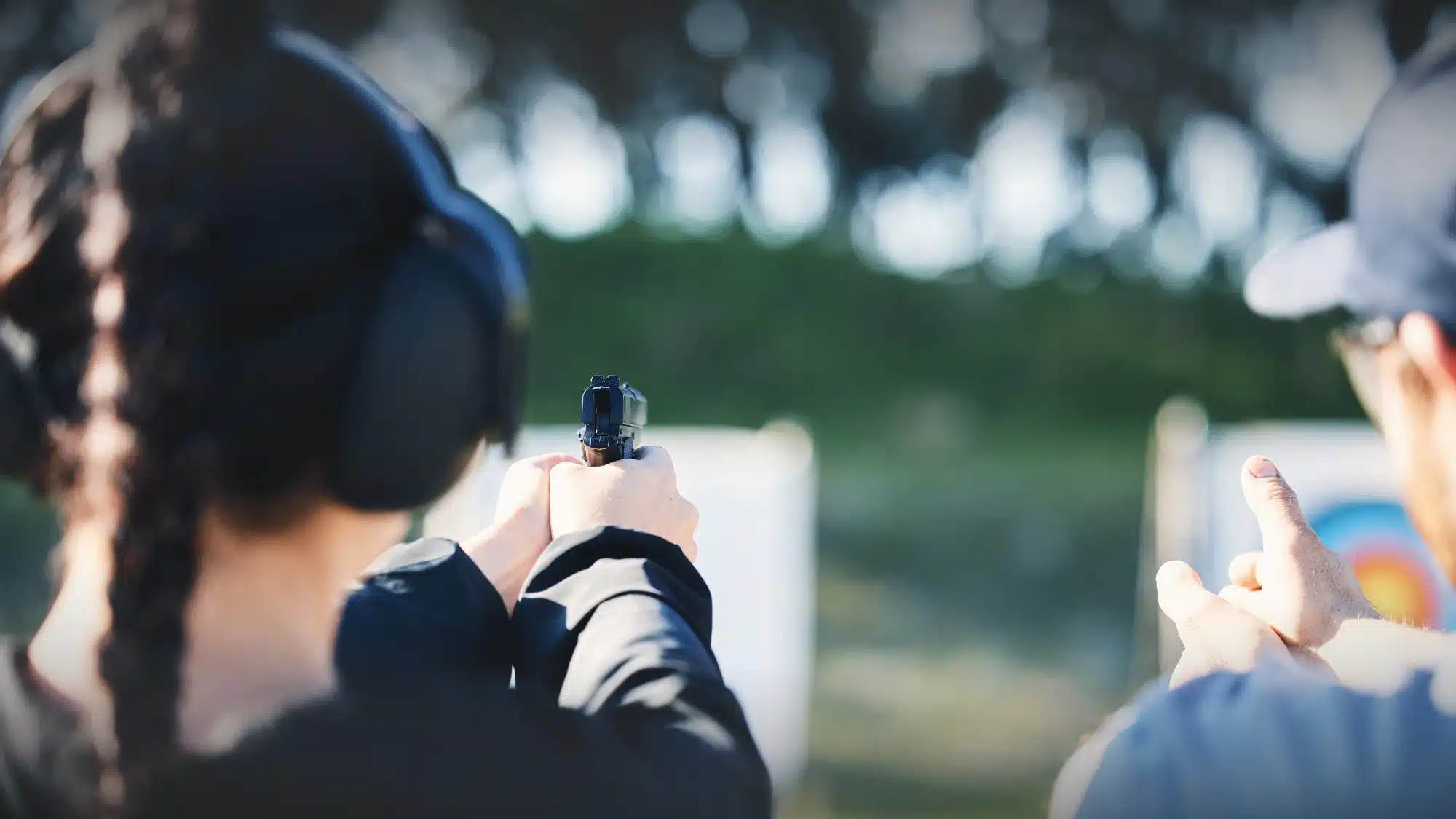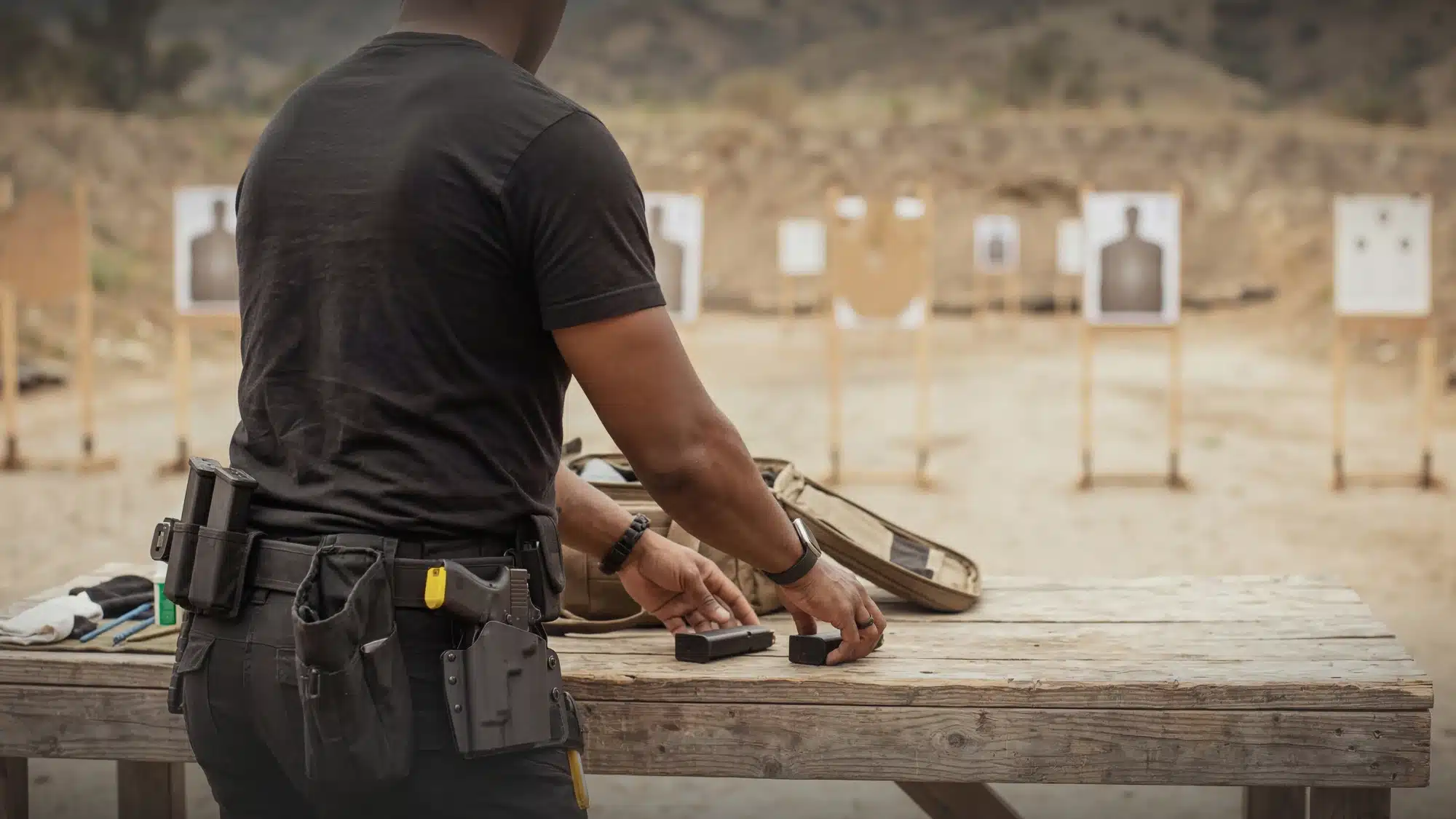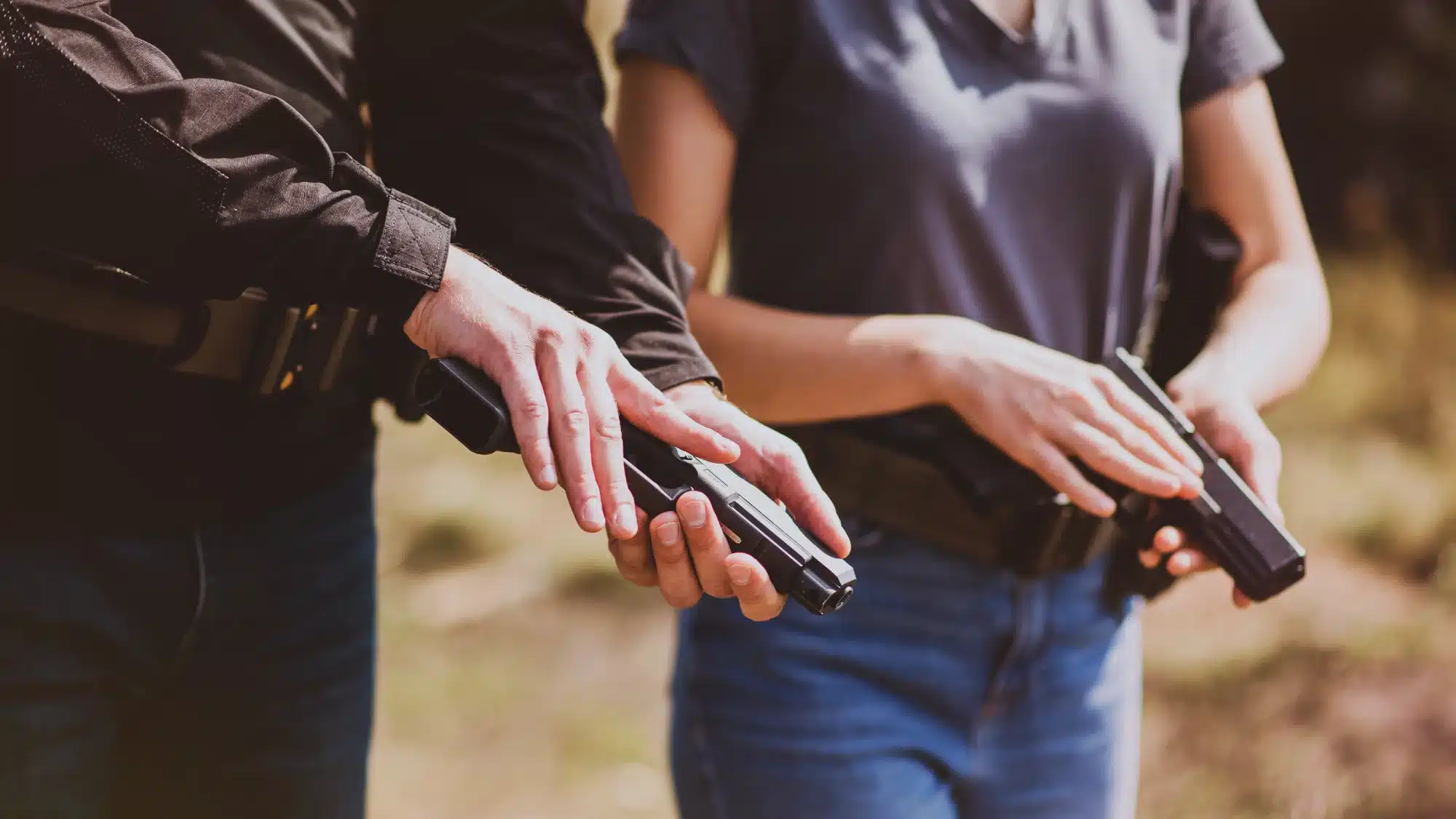

In a world where firearm ownership is both a constitutional right and a considerable responsibility, the role of gun safety training has never been more critical. These programs provide essential knowledge and skills that promote responsible firearm use, enhance situational awareness, and ensure personal and public safety. Vantage Point recognizes the importance of proper firearm education and encourages individuals to pursue training that prioritizes safety, awareness, and responsible ownership.
Key Aspects of Gun Safety Training
Gun safety training courses are meticulously designed to cover a wide range of topics essential for any firearm owner or enthusiast. These programs promote understanding and responsibility through structured education and hands-on experiences.
1. Fundamental Principles of Gun Safety
At the core of any gun safety training program are the four universal rules of gun safety:
- Always treat every firearm as if it were loaded.
- Never point a gun at anything you are not willing to destroy.
- Keep your finger off the trigger until you are ready to shoot.
- Identify your target and what is beyond it.
Understanding and internalizing these principles can prevent most accidental discharges and injuries. These courses emphasize that responsible firearm ownership begins with strict adherence to these fundamental safety rules.
2. Legal and Ethical Responsibilities
A comprehensive gun safety training program also educates participants on the legal responsibilities associated with gun ownership. This includes understanding state-specific laws regarding the storage, carrying, and use of firearms. Moreover, the training addresses the ethical responsibilities of owning a firearm, reinforcing the importance of decision-making and morality in potentially high-stakes situations.
3. Firearm Operation and Maintenance
Knowing how to safely operate and maintain a firearm is crucial. Training programs cover the mechanics of various types of firearms, ensuring that participants can confidently handle, clean, and store their weapons. Proper maintenance not only prolongs the life of the firearm but also ensures it functions safely and reliably.
4. Situational Awareness and Self-Defense
Gun safety training enhances situational awareness, teaching participants how to assess and respond appropriately in various scenarios. While self-defense is a common reason for firearm ownership, these programs stress de-escalation techniques and non-violent conflict resolution, highlighting that using a firearm is always a last resort.
Becoming a Responsible Firearm Owner
Participating in gun safety training is an essential step in becoming a responsible firearm owner. These programs instill a deep understanding of the respect, discipline, and caution required in handling firearms. Whether you are a new owner or an experienced shooter, regular training updates are crucial as they keep you informed about new laws, safety techniques, and technological advancements in firearms.
The Community Impact
Gun safety training doesn’t just benefit individual firearm owners; it has a broader community impact. Educated individuals contribute to safer communities by reducing the likelihood of accidental injuries or unlawful use of firearms. In areas where these programs are widely accessible, there is often a corresponding decrease in gun-related incidents.
Choosing the Right Training Program
Selecting the appropriate gun safety training program involves considering instructors’ qualifications, course content, and certification requirements. Look for courses backed by reputable organizations, such as the National Rifle Association (NRA) or state-certified training centers. These entities provide standardized curricula that meet or exceed industry safety benchmarks.
Final Thoughts on Gun Safety Training
Gun safety training is an invaluable resource for anyone with access to firearms. By prioritizing education and awareness, these programs lay the groundwork for responsible firearm ownership. The job of a responsible firearm owner is never complete; continuing education and practice are vital components of maintaining proficiency and safety awareness.
In conclusion, gun safety training plays a crucial role in promoting responsible firearm use, enhancing awareness, and ensuring protection. By embracing these principles, firearm owners can protect themselves, their families, and their communities, fostering a safer environment for all. With a commitment to education and responsibility, Vantage Point supports individuals seeking to build safer firearm practices through quality training and ongoing learning.