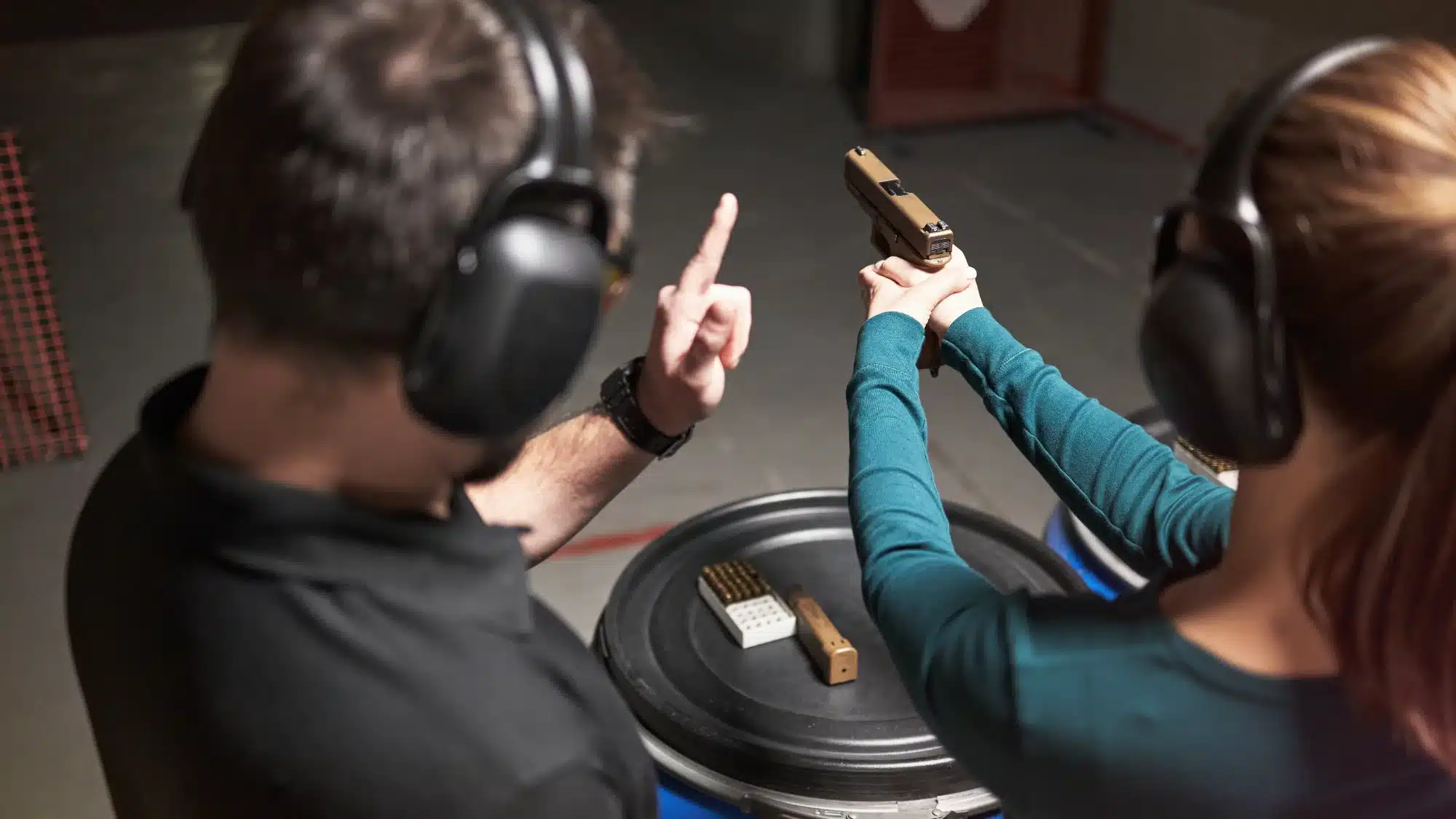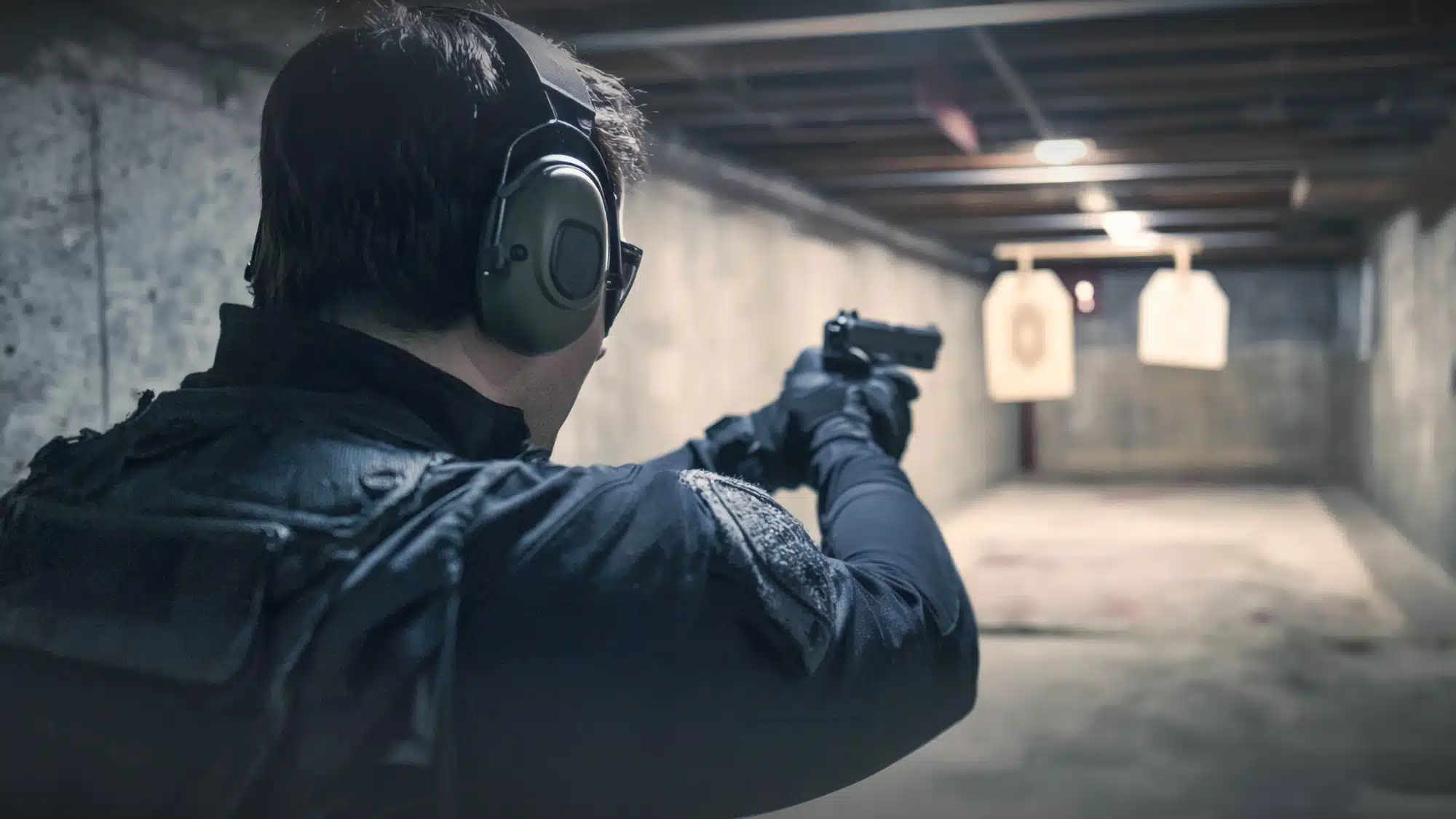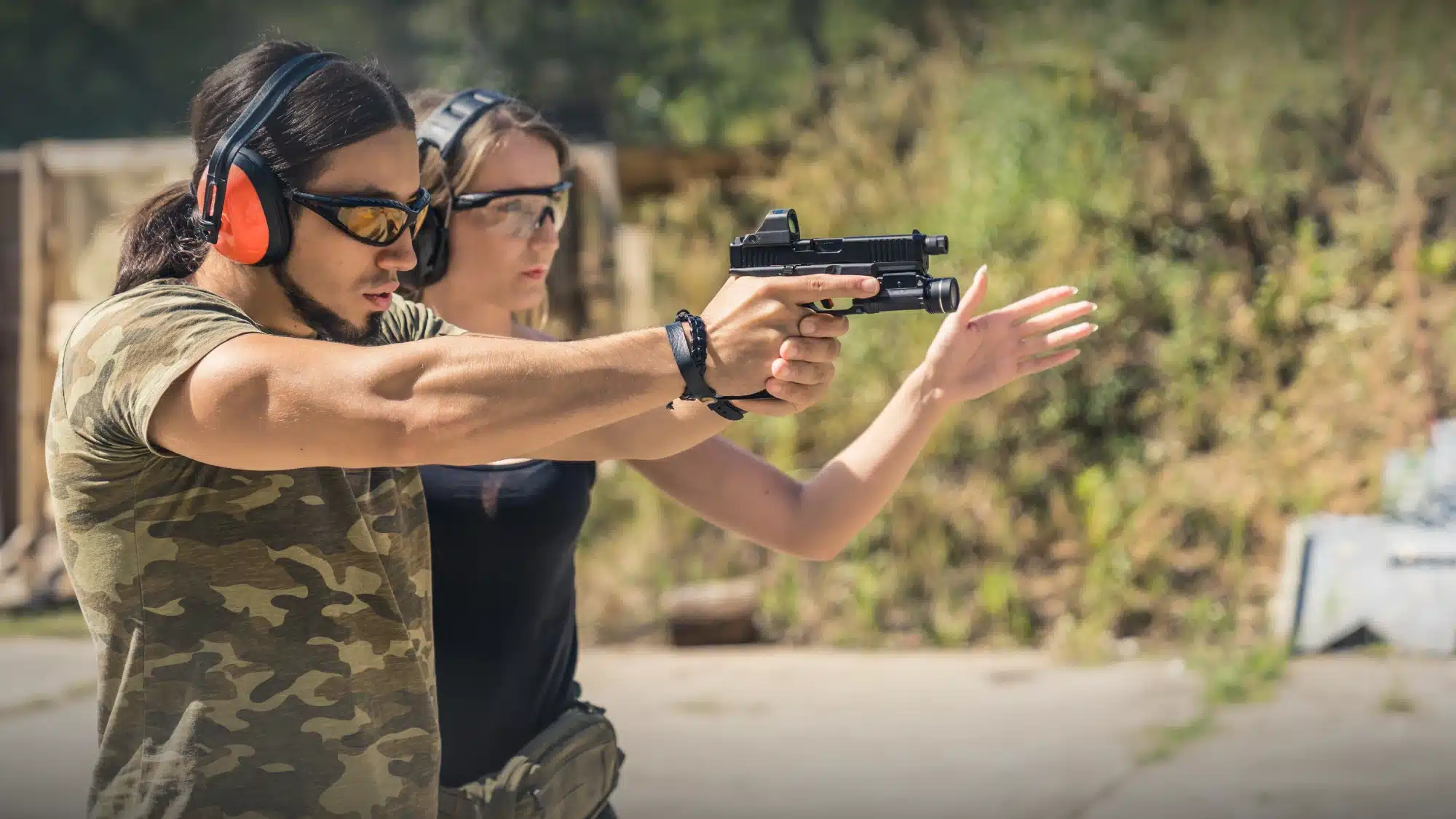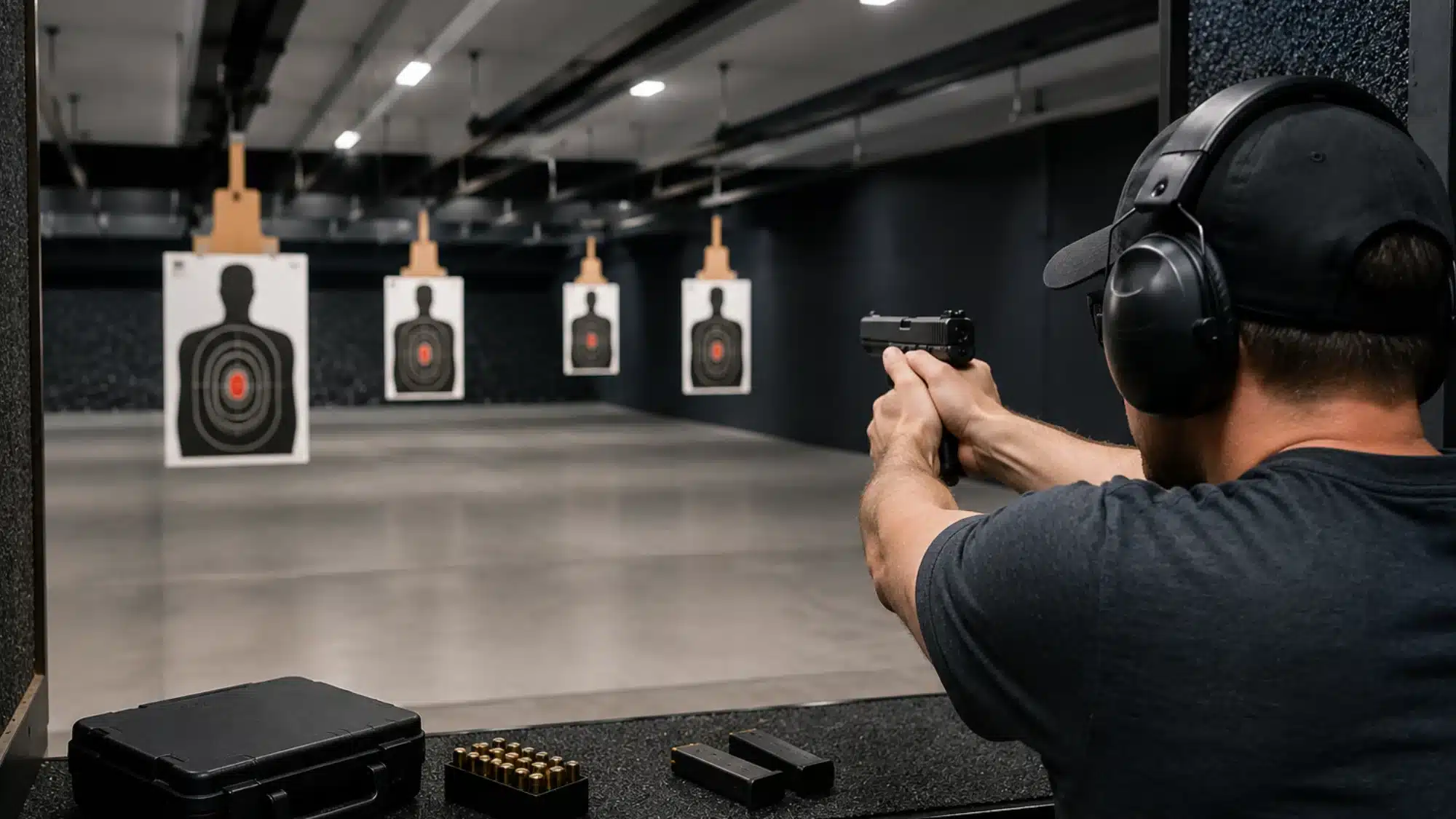
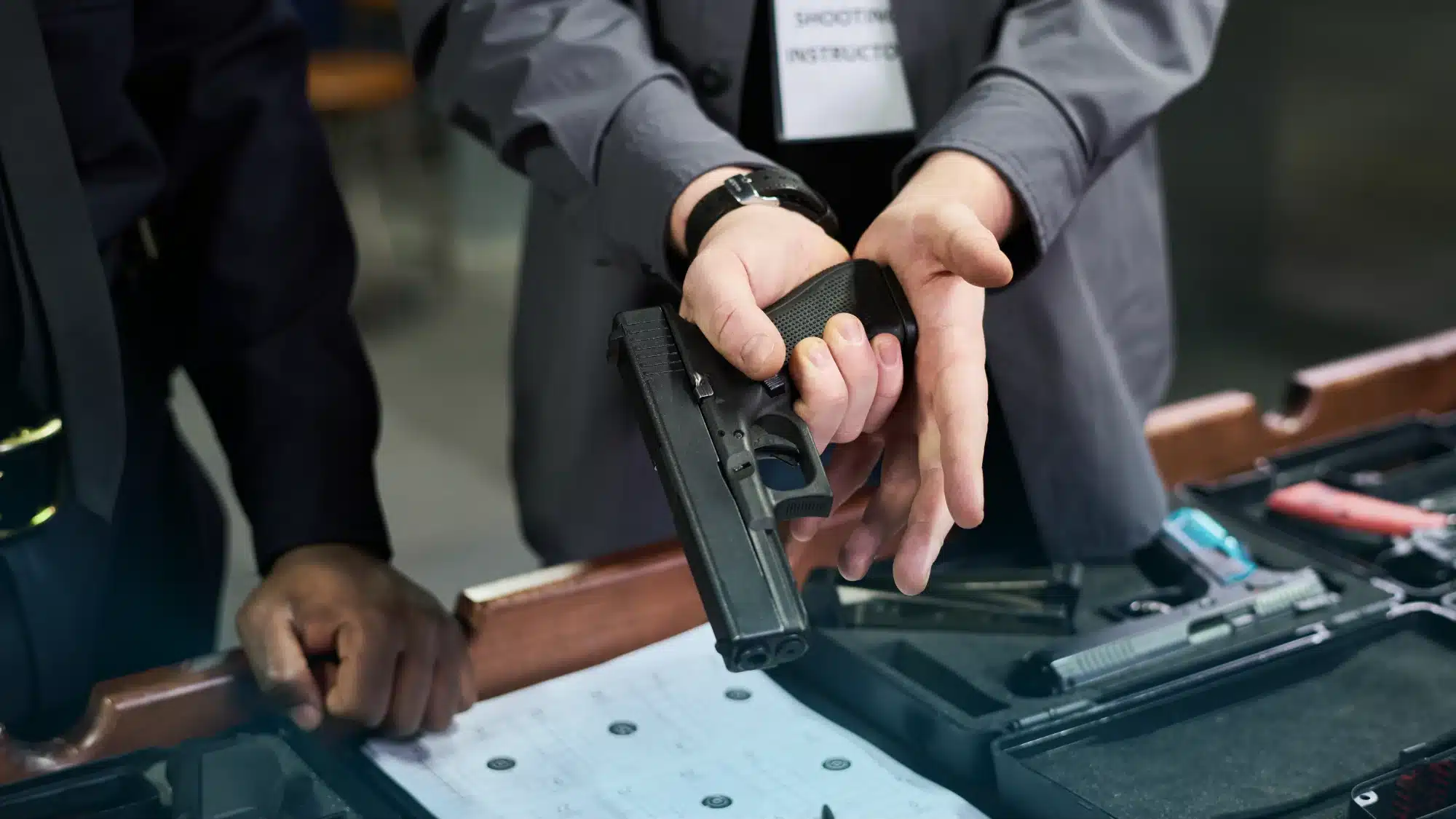
Vantage Point understands that informed, accountable training is essential for responsible firearm ownership. This guide outlines what participants can expect from comprehensive Firearm Training in CT, including what the state requires, what a strong program covers, and how to choose a quality provider.
Understanding the Requirements for Firearm Training in CT
In Connecticut, completing an approved handgun safety course is a fundamental part of pursuing a pistol permit. Firearm training programs must be delivered by state-certified instructors and vetted providers. Courses typically address both safety and legal responsibilities, ensuring participants understand the operating basics of firearms, proper handling, and the state’s laws governing use, storage, and transport. As part of the pistol permit process, applicants may also undergo background checks and fingerprinting, underscoring the state’s emphasis on responsible ownership. While specific requirements can change, verify current criteria with the Connecticut Department of Emergency Services and Public Protection (DESPP) or your local issuing authority before enrolling.
What a Comprehensive Firearm Training in CT Program Typically Covers
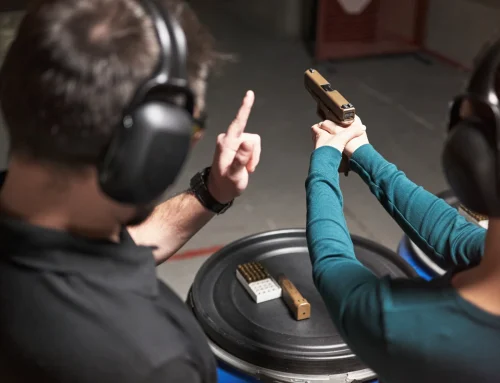
A robust firearm training program should offer a balanced mix of classroom instruction and hands-on practice. Core topics commonly include:
- Safe handling and basic firearm mechanics: understanding how firearms function, loading and unloading safely, and preventing accidental discharge.
- Range safety and etiquette: procedures for a controlled environment, communication with instructors, and respectful behavior around others.
- Storage, transport, and maintenance: securing firearms at home, safe transport guidelines, and routine cleaning to maintain reliability.
- Legal responsibilities and use of force: an overview of Connecticut laws, detention and de-escalation strategies, and the responsibilities that come with carrying or owning a firearm.
- Immediate decision making and scenario-based training: practicing safe decision-making skills in a variety of situations.
- Equipment and protective gear: eye and ear protection, proper apparel, and recommended accessories.
- Testing and certification: evaluation of knowledge and skills to demonstrate competency, with a certificate or documentation suitable for submission with permit applications.
This framework helps attendees build competency while reinforcing responsible behavior that aligns with state standards. Remember that firearm training programs can vary in length and structure; confirm the curriculum and schedule before enrolling.
Choosing a Quality Firearm Training in CT Program
When selecting a program, consider both credentials and fit. Practical tips include:
- Verify state approval and instructor credentials: seek providers listed as approved by DESPP and instructors who hold current certifications. Instructors with additional credentials from reputable organizations (such as the NRA or state-certified instructor programs) can be a plus.
- Look for a clear, current curriculum: a reputable program should publish what topics are covered and the training format (classroom, range time, etc.).
- Small class size and ample range time: personalized feedback and sufficient hands-on practice are important for skill development.
- Transparent pricing and scheduling: understand what’s included (range fees, rentals, targets, hearing/eye protection) and check for flexible scheduling or weekend options.
- Reviews and community reputation: seek feedback from previous participants about instruction quality, safety standards, and overall experience.
What to Bring and Next Steps After Training
Preparation helps you make the most of Firearm Training in CT. Typical essentials include:
- Government-issued photo ID and any documents requested by the agency or instructor.
- Any prerequisite forms or permits you plan to apply for (check with the issuing authority).
- Eye and ear protection, along with comfortable clothing suitable for range work (some programs provide gear, but confirm in advance).
- A notebook or device for taking notes, particularly on legal responsibilities and local regulations.
After completing a comprehensive program, you’ll receive documentation confirming your attendance and competency. This can support your pistol permit application and future training needs. Connecticut residents may continue with additional education, advanced courses, or renewed training as laws and regulations evolve.
If you are exploring Firearm Training in CT, ensure the provider aligns with current state requirements and emphasizes safety and responsibility. For guidance on selecting a program and understanding your options, Vantage Point can help you navigate the process, verify credentials, and identify reputable courses that fit your experience level and goals. Always verify the most up-to-date regulations with local authorities, as firearm-related laws can change.
Ready to take the next step? Contact a trusted, state-approved provider like Vantage Point and begin your comprehensive training journey today.