
If you’re considering firearm training in Connecticut, understanding the eligibility requirements for Firearm Classes in CT is essential. This guide outlines the general pathway, what the state expects from applicants, and how to choose a compliant course. Always verify details with your local police department and the Connecticut Department of Emergency Services and Public Protection (DESPP) Firearms Unit, as regulations can change.
What Firearm Classes in CT Typically Encompass
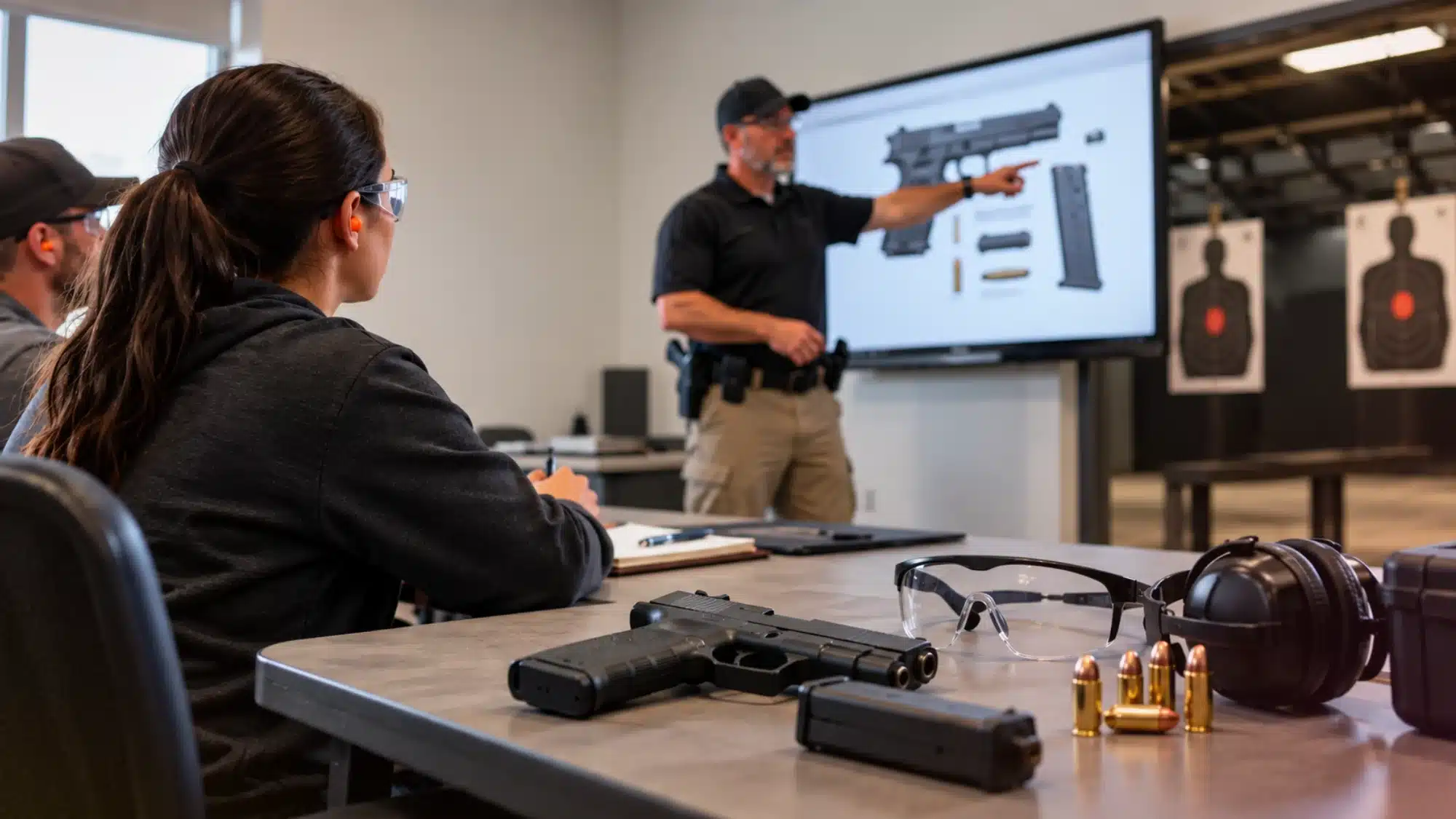
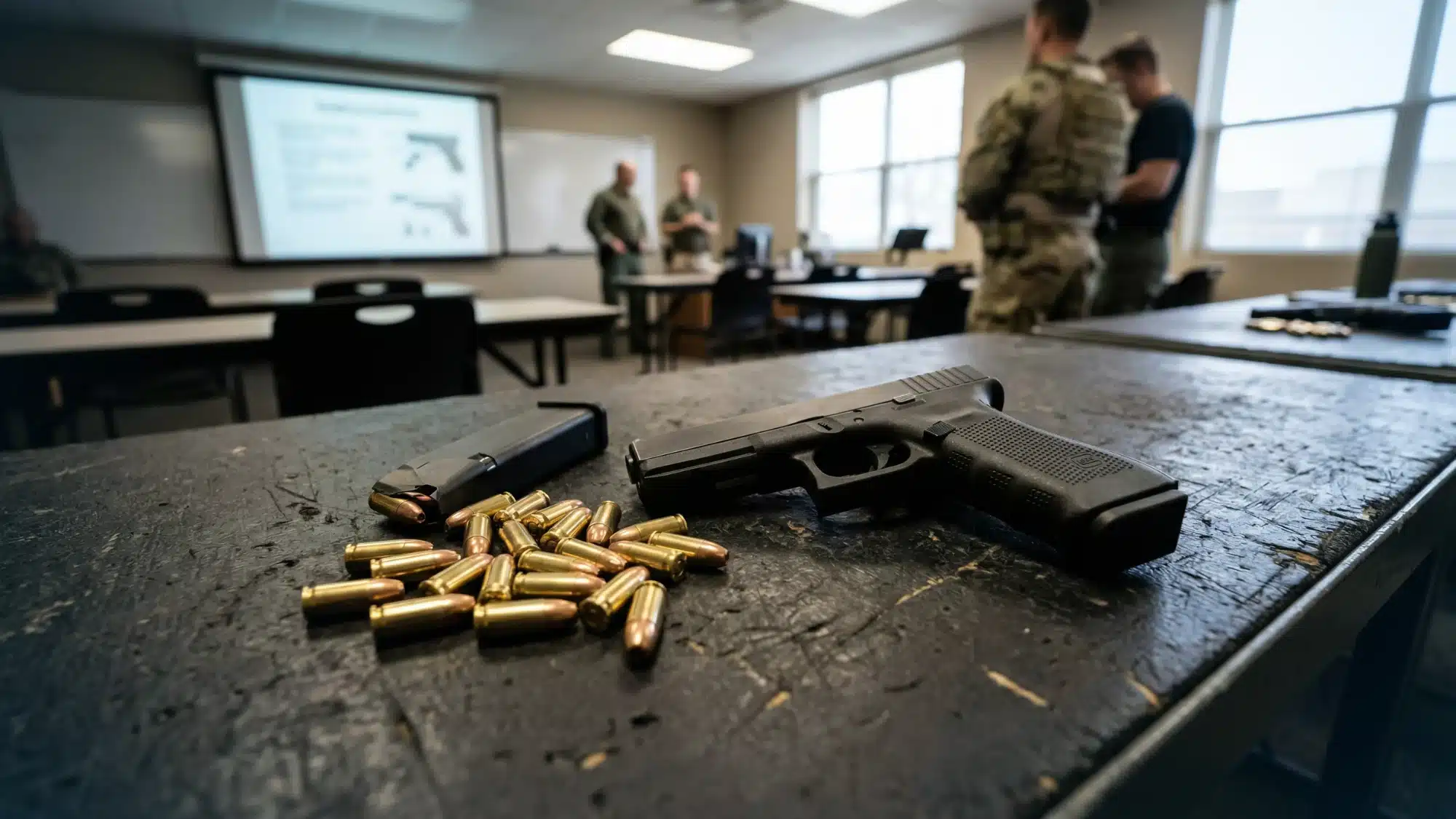
Firearm Classes in CT refer to state-approved training programs designed to prepare individuals for legal firearm possession and, if applicable, concealed carry. The courses cover safety, storage, handling, and the legal responsibilities that come with firearm ownership. While the exact curriculum varies by provider, all DESPP-approved courses must meet state standards. After completing a course, you receive a certificate of completion that is typically required for the next steps in the licensing process.
Core Eligibility Requirements for CT Firearm Classes
To enroll in firearm classes and pursue related licenses in Connecticut, applicants should be aware of several core eligibility elements:
- Age and legal status: For handgun-related permits or carrying a handgun, applicants must meet state age requirements and be legally eligible to possess a firearm in the United States. Connecticut generally imposes stricter eligibility for handguns (often requiring applicants to be 21 or older for handgun permits), with different rules for other types of firearms.
- Residency and presence: Applicants must be residents or legally present in the state and must comply with all state residency and identification requirements as part of the process.
- State-approved safety training: A key requirement is completion of a state-approved firearms safety course (often referred to as a pistol safety course for handgun applicants). The course must be DESPP-approved and delivered by a reputable, authorized training provider.
- Application and background checks: After or during training, applicants typically submit an application for the relevant permit through the local police department or the appropriate state authority. This process includes a background check and, in many cases, fingerprinting.
- Disqualifying factors: Certain criminal convictions, certain protective orders, or other disqualifying factors in state or federal law can affect eligibility. Mental health prohibitions, drug-related disqualifications, and other public-safety concerns may also apply.
- Local approvals and timelines: In Connecticut, local authorities (often the police chief or their designee) review applications. Processing times vary, and approvals are not guaranteed.
Note: Because eligibility is governed by current statutes and departmental policies, it’s important to consult the DESPP Firearms Unit and your local police department for the latest requirements before enrolling in a course.
How to Find and Verify a Compliant Course
- Look for DESPP-approved providers: Ensure the course is DESPP-approved and offered by a reputable training facility. Verification can be done through official DESPP resources or your local police department.
- Check course details: Confirm that the curriculum covers safety, storage, handling, and the legal responsibilities associated with firearms. Ask about live-fire components and any range requirements.
- Confirm documentation: Request a formal certificate of completion that you can submit with your permit application. The provider should be able to provide documentation suitable for the licensing process.
- Read reviews and ask questions: Seek feedback from previous participants about the instructor’s professionalism, the course length, and the clarity of information regarding CT-specific laws.
After Completing Training: Next Steps
- Submit your application: Use your certificate of completion as part of the handgun permit or firearm-related license application. Include any required fingerprints, background checks, and fees as directed by your local authority.
- Plan for ongoing compliance: Some licenses require periodic renewals or additional training; stay informed about renewal requirements and any changes in CT law.
- Consider ongoing education: Firearm safety is an ongoing responsibility. You may want to pursue refresher courses or advanced training offered by DESPP-approved providers.
Understanding the eligibility requirements for Firearm Classes in CT helps ensure you take the right steps toward lawful training and licensing. For the most accurate, up-to-date information, consult the DESPP Firearms Unit and your local police department, and verify any course with a DESPP-approved provider.
If you’d like help navigating the process or finding a compliant course, Vantage Point is here to assist. We can help you identify reputable Firearm Classes in CT and outline the steps needed to complete training and pursue the appropriate permit. Take the first step today and reach out to a DESPP-approved training provider to begin your path to responsible firearm ownership.